
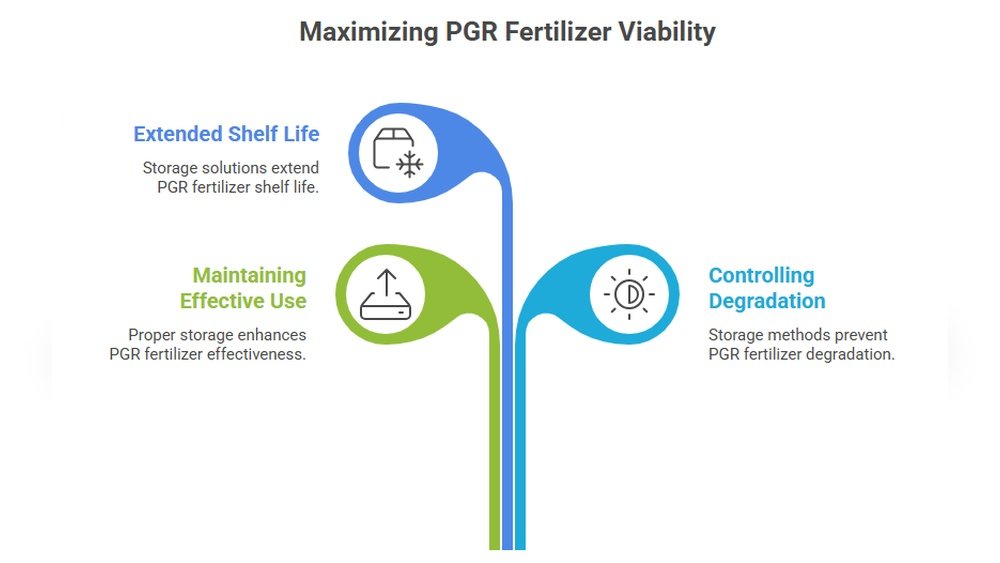
Are you tired of buying fertilizer only to find it loses its effectiveness over time? Proper storage can make all the difference in keeping your fertilizer fresh and powerful.
If you want to protect your investment and ensure your plants get the nutrients they need, learning how to store fertilizer correctly is a must. You’ll discover simple, practical tips that anyone can follow to prevent fertilizer degradation. Keep reading to unlock the secrets that will save you money and boost your garden’s growth season after season.

Credit: microbial.en.made-in-china.com
Choosing The Right Storage Location
Choosing the right storage location is key to keeping fertilizer fresh and effective. Fertilizer can lose its strength if stored in poor conditions. Proper storage stops it from clumping, breaking down, or becoming unsafe. The place you pick must protect fertilizer from moisture, heat, and sunlight. This section explains how to pick the best spot for your fertilizer.
Avoiding Moisture And Humidity
Moisture causes fertilizer to clump and break down quickly. Store fertilizer in a place that stays dry all the time. Avoid basements or areas prone to leaks. Use containers that seal tightly to keep water out. Check the storage area for signs of dampness regularly.
Selecting A Cool, Dry Place
Heat speeds up fertilizer degradation. Choose a cool area that does not get hot. A temperature below 80°F (27°C) is best. Avoid places near heaters, ovens, or direct heat sources. A dry area stops mold and bacteria growth. This helps fertilizer last longer and stay effective.
Keeping Away From Direct Sunlight
Sunlight can break down fertilizer chemicals. Store fertilizer in a shaded or dark area. Avoid windows or spots where sunlight shines directly. Use opaque containers if needed. Keeping fertilizer out of the sun helps maintain its quality and safety.
Credit: blueskyvitamin.com
Proper Container Selection
Choosing the right container is key to keeping fertilizer fresh and effective. Proper container selection protects fertilizer from moisture, air, and pests. This helps prevent clumping, chemical breakdown, and nutrient loss. Good containers also make storage easier and safer.
Using Airtight Containers
Airtight containers keep air and moisture out. This stops fertilizer from absorbing water and clumping. Use containers with tight lids that seal well. Plastic or metal containers with rubber gaskets work best. Avoid containers that let air or moisture enter easily.
Material Choices For Containers
Pick containers made from materials that resist rust and corrosion. Plastic containers are lightweight and water-resistant. Metal containers are strong but must have a protective coating. Avoid cardboard or paper bags, as they absorb moisture and tear easily.
Labeling And Sealing
Label each container clearly with fertilizer type and date. This helps track the fertilizer’s age and use. Seal containers tightly after every use to keep contents fresh. Use tape or plastic wrap for extra protection around the lid. Proper labeling and sealing reduce mistakes and waste.
Handling And Packaging Tips
Proper handling and packaging play a big role in keeping fertilizer fresh and effective. Careful steps during these processes stop damage and loss of nutrients. Following good practices helps maintain fertilizer quality for longer storage.
Minimizing Exposure During Transfer
Transfer fertilizer in a quick and careful way. Avoid leaving it open to air or moisture. Use clean tools and containers to prevent spills. Move fertilizer in shaded areas to reduce heat exposure. Keep fertilizer away from water sources during transfer.
Avoiding Contamination
Keep fertilizer separate from other chemicals or materials. Use clean and dry equipment for handling. Check that storage areas are free from pests and dirt. Avoid mixing old and new fertilizer batches. Contamination lowers fertilizer quality and can harm plants.
Safe Packaging Practices
Choose strong, moisture-proof bags or containers. Seal packages tightly to keep air and water out. Label each package clearly with contents and date. Store packages off the ground on pallets or shelves. Replace damaged packaging immediately to prevent spoilage.
Temperature And Environmental Controls
Temperature and environmental controls are vital to keep fertilizer fresh and effective. Fertilizer breaks down quickly under extreme heat or moisture. Proper storage conditions slow this process. This section explains how to manage temperature, air flow, and pests to protect fertilizer quality.
Maintaining Stable Temperatures
Keep fertilizer in a cool, dry place. Avoid direct sunlight or areas near heat sources. Sudden temperature changes cause moisture buildup. Moisture damages fertilizer and reduces its strength. A steady temperature between 50°F and 77°F is ideal. Use insulated storage if needed to avoid heat spikes. Stable temperatures extend fertilizer shelf life.
Controlling Ventilation
Good air flow prevents moisture and mold. Store fertilizer in a well-ventilated space. Avoid airtight containers unless moisture-proof. Air movement helps dry dampness and stops clumping. Use fans or vents if the storage is enclosed. Proper ventilation keeps fertilizer free from dampness and smells.
Preventing Pest Infestation
Fertilizer attracts insects and rodents. Pests can damage packaging and contaminate fertilizer. Seal storage areas tightly with pest-proof materials. Clean the storage area regularly to remove food scraps. Use traps or natural repellents as needed. Preventing pests protects fertilizer and keeps it safe to use.
Storage Duration And Rotation
Proper storage duration and rotation help keep fertilizer effective. Storing fertilizer too long can reduce its nutrients. Using old fertilizer may harm plants and waste money. Rotating stock ensures you use fertilizer before it degrades. This section explains how to manage storage time and rotation.
Understanding Fertilizer Shelf Life
Fertilizer shelf life varies by type and ingredients. Some fertilizers last several years; others only months. Check the product label for expiration or best-use dates. Environmental factors like moisture and temperature affect shelf life. Store fertilizer in a dry, cool place to extend its life.
First In, First Out Method
Use the First In, First Out (FIFO) method for fertilizer. This means using the oldest fertilizer first. Arrange storage so older bags are in front or on top. This method prevents fertilizer from sitting unused too long. It reduces waste and keeps nutrients fresh for plants.
Monitoring For Signs Of Degradation
Check fertilizer regularly for changes in appearance or smell. Clumping, hardening, or unusual odors signal degradation. Avoid using fertilizer that shows these signs. Degraded fertilizer may not work well and can harm plants. Proper storage and rotation reduce the risk of spoilage.

Credit: sodsolutions.com
Special Considerations For Different Fertilizer Types
Different fertilizers need different storage methods to stay fresh and effective. Knowing these differences helps keep nutrients strong and safe. Proper storage prevents clumping, loss of nutrients, and damage from moisture or heat. Understanding these special needs ensures your fertilizers work well when used.
Organic Vs. Synthetic Fertilizers
Organic fertilizers come from plants or animals. They can spoil or lose nutrients if stored in damp places. Keep them in cool, dry areas with good airflow. Avoid plastic bags that trap moisture. Use breathable containers like burlap sacks or wooden bins.
Synthetic fertilizers are made in factories. They often contain chemicals that react with moisture. Store them in airtight containers to avoid clumping. Keep them away from heat and humidity. Proper storage stops them from breaking down or becoming toxic.
Storing Granular Fertilizers
Granular fertilizers are solid particles. They absorb moisture quickly, causing lumps. Store them in sealed containers or plastic bins with tight lids. Place them on pallets or shelves off the ground. This stops moisture from seeping in and keeps pests away.
Check packages for damage before storing. Torn bags let in air and water. Replace damaged containers immediately. Label each container with the fertilizer type and date for easy use.
Handling Liquid Fertilizers
Liquid fertilizers need careful handling to prevent spills and leaks. Store them in sturdy containers made from plastic or metal. Keep containers tightly closed and upright to avoid contamination.
Place liquids in cool, shaded areas away from sunlight. Sun can break down the chemicals inside. Avoid freezing temperatures that can damage containers and fertilizer quality.
Use proper measuring tools to avoid waste. Clean containers and tools after use to keep fertilizers pure and effective.
Frequently Asked Questions
How Should Fertilizer Be Stored To Avoid Moisture Damage?
Store fertilizer in a dry, well-ventilated area to prevent moisture absorption. Use airtight containers or sealed bags. Avoid placing fertilizer directly on the ground to reduce exposure to humidity and water.
What Temperature Is Ideal For Storing Fertilizer Safely?
Keep fertilizer storage temperatures between 50°F and 85°F. Extreme heat or cold can degrade fertilizer quality. A consistent, moderate temperature helps maintain nutrient effectiveness.
Can Fertilizer Be Stored Outdoors Without Degradation?
Storing fertilizer outdoors is not recommended. Exposure to rain, sunlight, and humidity causes nutrient loss and clumping. Always use a covered, dry storage space to preserve fertilizer quality.
Why Is Proper Ventilation Important For Fertilizer Storage?
Good ventilation prevents moisture buildup and heat accumulation. This reduces the risk of fertilizer caking, chemical reactions, and degradation. Proper airflow keeps fertilizer dry and stable.
Conclusion
Storing fertilizer properly keeps it effective for longer. Keep it dry and cool to avoid damage. Use sealed containers to stop moisture and pests. Store away from direct sunlight and heat sources. Check your fertilizer regularly for any changes. Good storage saves money and supports healthy plants.
Remember, simple steps make a big difference. Take care of your fertilizer, and it will take care of your garden. Safe storage means strong growth and better yields.