
Controlling weeds in wetlands protects these vital ecosystems and supports wildlife health. Choosing the best weed control methods ensures wetland balance and water quality.
Wetlands face many challenges from invasive weeds like Lythrum salicaria, which spread quickly and harm native plants. Effective weed control helps prevent damage and keeps wetlands thriving. Understanding weed causes and treatments is key to success. Using nature-based solutions can manage weeds without harming the environment.
Books and studies from around the world share valuable knowledge on wetland weed control. This guide covers proven methods and practical tips for managing wetland weeds safely. Maintaining wetland health benefits both nature and local communities.
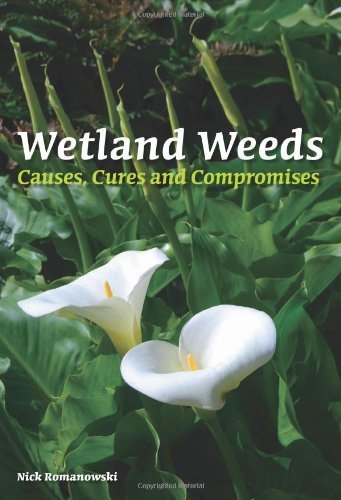
Wetland Weeds

The book Wetland Weeds: Causes, Cures and Compromises is ideal for environmental scientists, ecologists, land managers, and conservationists who seek a comprehensive understanding of the challenges posed by invasive weeds in wetland ecosystems. Anyone involved in wetland management or restoration projects will find valuable insights into identifying, controlling, and balancing the ecological impacts of these invasive species.
Pros:
- Provides in-depth analysis of the causes of wetland weed invasions.
- Offers practical cure strategies and management techniques.
- Balances ecological concerns with realistic compromise solutions.
- Published by the reputable CSIRO PUBLISHING.
- Well-structured content spanning 185 pages, ensuring thorough coverage.
Cons:
- Publication date (2011) means some newer research might not be included.
- Technical language may be challenging for casual readers without a background in ecology.
- Focused specifically on wetland environments, limiting applicability to other ecosystems.
Wetland Weeds: Causes, Cures and Compromises delves into the ecological dynamics behind the spread of invasive weeds in wetland areas, explaining the underlying causes with scientific precision. The book highlights a range of management practices, from chemical and mechanical control methods to biological approaches, providing readers with a toolbox of options tailored to different wetland conditions. This makes it an essential resource for developing effective weed control plans.
The publication also addresses the complex trade-offs involved in wetland weed management, emphasizing the need for compromise solutions that protect native biodiversity while minimizing environmental disruption. By combining theory with case studies, the book equips readers to make informed decisions that balance ecological health with practical land use needs.
To buy this product, click here.
Argentina – Passion

Argentina – Passion is ideal for individuals who are deeply connected to Argentine culture or anyone looking to embrace the vibrant spirit and energy of Argentina. Whether you are a fan of Argentine music, dance, cuisine, or sports, this item is perfect for those who want to celebrate and express their love for the country’s rich heritage.
Pros:
- Captures the essence of Argentine culture and passion.
- Perfect for cultural events or personal inspiration.
- Evokes strong emotional connection and pride.
Cons:
- Lacks detailed specifications or technical features.
- May not appeal to those unfamiliar with or uninterested in Argentina.
Argentina – Passion embodies the vibrant energy and fervor that characterizes Argentina. This item channels the country’s dynamic spirit, making it a meaningful choice for those who want to feel closer to Argentine traditions and lifestyle. The absence of technical specs means the focus remains purely on the emotional and cultural value it provides, making it a unique and heartfelt option for enthusiasts.
Users can benefit from this item by using it as a source of inspiration or as a cultural statement piece. It allows individuals to celebrate Argentine pride and passion in a way that is both personal and expressive, fostering a deeper connection to the country’s rich history and vibrant present. This makes it an excellent addition to any collection celebrating global cultures or personal heritage.
To buy this product, click here.
Useful Weed Book

The Useful Weed Book (Korean Edition) is ideal for readers interested in exploring historical perspectives on natural remedies and plant uses, particularly those who appreciate detailed cultural insights from Korea. This book is perfect for enthusiasts of botanical history and individuals seeking knowledge about traditional applications of weeds in everyday life.
Pros:
- Published by the reputable 21st century history publisher ensuring quality content.
- Provides unique cultural insights specific to Korean botanical practices.
- Released in 2017, offering relatively recent research and perspectives.
Cons:
- Lacks specified page count which may indicate limited or concise content.
- Being in Korean, it may not be accessible to non-Korean speakers.
This book features a comprehensive approach to the historical usage of weeds in Korean culture, highlighting their practical applications and significance. Readers can gain an understanding of how these often-overlooked plants have been integrated into traditional remedies and daily practices, reflecting a blend of history and natural science.
By exploring the Useful Weed Book (Korean Edition), users benefit from an enriching perspective on natural history that combines academic research with cultural heritage. This not only enhances knowledge but also encourages appreciation for sustainable and traditional uses of local flora.
To buy this product, click here.
Lythrum Salicaria

Ideal for ecologists, environmental scientists, and anyone interested in invasive species management, Lythrum salicaria – Global Invader: Factors behind Purple loosestrife’s success offers a comprehensive look at the impact and spread of the notorious purple loosestrife. If you are looking to deepen your understanding of how this plant disrupts ecosystems and learn effective strategies for control, this book is a valuable resource.
Pros:
- Provides detailed analysis of the purple loosestrife’s biology and ecology
- Includes up-to-date research on factors contributing to its global invasion
- Compact size with 120 pages making it accessible and easy to read
- Published by the reputable Grosvenor House Publishing Limited ensuring quality content
Cons:
- Relatively narrow focus may not appeal to casual readers
- Limited to scientific and ecological perspectives without extensive management guides
- Physical dimensions may make it less convenient for on-field reference
This book’s 7.81-inch height and 5.06-inch length make it a portable yet substantial read. The content is carefully curated across 120 pages, providing readers with in-depth knowledge of the purple loosestrife’s invasive mechanisms and its ecological impact worldwide. The publication date in 2025 ensures that the material is current, reflecting recent studies and trends in invasive species research.
The detailed examination of the plant’s success factors helps users understand why controlling this species is challenging, while also highlighting potential intervention points. By combining scientific insight with practical information, this resource benefits researchers and policymakers who need a solid foundation to develop effective management strategies.
To buy this product, click here.
Nature-based Solutions For Decentralised Liquid Waste Management

Ideal for environmental scientists, policy makers, and sustainability advocates, Nature-Based Solutions for Decentralised Liquid Waste Management (Environmental Challenges and Solutions) is a comprehensive resource designed to address modern environmental challenges through innovative, sustainable waste management techniques. Those invested in advancing eco-friendly infrastructure and decentralized systems will find this publication invaluable.
Pros:
- Extensive coverage of nature-based waste management techniques with practical applications.
- Published by Springer, ensuring high-quality and peer-reviewed content.
- In-depth analysis spread across 402 pages, offering detailed insights and case studies.
- Focuses on sustainable solutions that reduce environmental impact and promote biodiversity.
- Includes the latest research and trends in decentralized liquid waste management as of 2025.
Cons:
- Lengthy content may be overwhelming for casual readers or beginners.
- Highly technical sections may require prior knowledge in environmental science or engineering.
- Publication date set in the future (2025-12-23), so availability might be limited before release.
This book delves deeply into the principles and practices of decentralised liquid waste management by leveraging natural processes, such as constructed wetlands, biofiltration, and phytoremediation. It highlights how these methods not only treat waste effectively but also enhance local ecosystems by promoting natural water cycles and improving soil quality. Users gain a robust understanding of how integrating these solutions can lead to sustainable urban and rural sanitation systems.
By emphasizing environmental challenges and offering practical, scalable solutions, this publication benefits professionals seeking to implement greener waste management practices. The comprehensive treatment of topics ensures readers can apply theoretical knowledge to real-world scenarios, improving public health outcomes and reducing reliance on centralized, energy-intensive infrastructures.
To buy this product, click here.
Frequently Asked Questions
What Causes Weed Growth In Wetlands?
Wetland weed growth is caused by nutrient-rich water, disturbed soil, and invasive species. These conditions create ideal environments for aggressive weeds like purple loosestrife to thrive and spread rapidly, disrupting native plant communities.
How Can I Control Purple Loosestrife Effectively?
Control purple loosestrife using manual removal, biological agents like beetles, and selective herbicides. Early detection and consistent management help reduce its spread and protect wetland ecosystems.
Are Natural Methods Effective For Wetland Weed Control?
Yes, natural methods such as introducing native plants and biological controls can effectively reduce weeds. These methods preserve wetland health and avoid chemical damage, offering sustainable long-term weed management.
What Books Help Identify And Manage Wetland Weeds?
Useful weed books, including specialized guides like the Korean Edition, provide detailed identification and control methods. These resources help land managers make informed decisions about wetland weed control.
How Do Wetlands Benefit From Nature-based Waste Management?
Nature-based solutions treat wastewater naturally through wetlands, reducing pollutants and controlling weed growth. This approach enhances wetland health and supports biodiversity while managing liquid waste sustainably.
Conclusion
Controlling weeds in wetlands requires care and patience. Choosing the right method helps protect wetland plants and animals. Using nature-based solutions can reduce chemical use and keep water clean. Understanding why some weeds spread fast helps in finding good control options.
Books and research from different countries offer useful tips and ideas. Wetlands need a balance between managing weeds and keeping the environment safe. Small steps, like removing invasive plants early, make a big difference. Remember, every wetland is unique and needs special care.
With the right approach, wetlands can stay healthy and support wildlife for years. Protecting wetlands means protecting nature’s home and our future.