
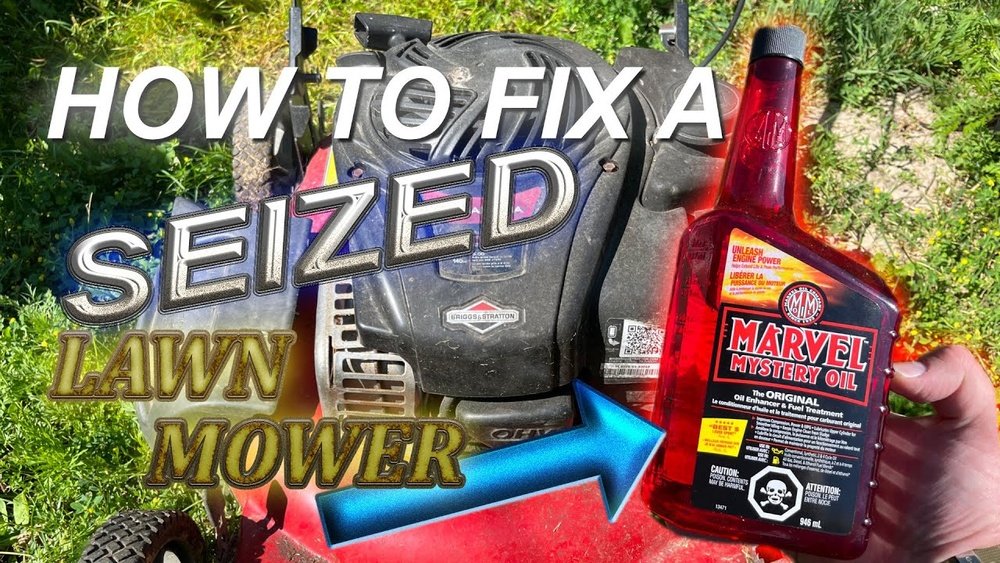
A seized lawn mower engine can turn a simple yard job into a big headache. If you pull the cord and nothing moves—or you hear a harsh grinding sound—your engine may be seized. Many people think this means the mower is finished.
But with the right steps, knowledge, and patience, you can often fix a seized engine yourself and save money.
Understanding how to approach this problem is crucial. Jumping in without the right information can make things worse, or even cause injury. This guide will walk you through every step, from identifying why your engine seized, to practical fixes, and even how to prevent the problem in the future.
Whether you have a push mower or a riding mower, the process is similar. Let’s get your mower running again.
What Does A Seized Lawn Mower Engine Mean?
A seized engine means the internal parts are stuck and cannot move. This usually happens when the metal pieces inside the engine have no lubrication or are blocked. Instead of turning smoothly, they lock together, stopping all movement.
Common signs of a seized engine:
- The starter cord will not pull out or is extremely hard to pull.
- Turning the blade by hand is impossible or feels locked.
- You hear a loud “clunk” or grinding sound when trying to start.
Sometimes, people confuse a seized engine with a hydrolocked engine (when the cylinder fills with liquid and cannot compress). The fix is different, so it’s important to check carefully.
Why Do Lawn Mower Engines Seize?
Knowing what causes a seized engine helps you avoid the problem in the future. Here are the main reasons:
- Lack of oil: Engines need oil to reduce friction. Without it, metal parts rub together and weld.
- Old or dirty oil: Oil that hasn’t been changed gets thick and dirty, losing its ability to protect.
- Overheating: This can warp or expand engine parts, making them stick.
- Water or fuel leaks: Liquids inside the cylinder can cause rust or hydrolock.
- Long storage periods: Not using your mower for months can let parts rust and stick together.
- Mechanical failure: Broken rods, pistons, or valves can also jam the engine.
Understanding these causes helps you figure out if the engine is truly seized or if something else is wrong.
First Steps: Diagnosing A Seized Engine
Before you start taking the engine apart, confirm that it is truly seized. A wrong diagnosis can waste time and money. Use these steps:
- Check the starter cord: Try to pull the cord gently. Don’t force it.
- Remove the spark plug: Take out the spark plug and try again. If the engine now turns, the problem is likely hydrolock.
- Inspect the blade: Carefully try to rotate the blade by hand (wear gloves). If it does not move at all, the engine is likely seized.
- Listen for sounds: Grinding or clunking usually means internal problems.
If you’re unsure, you can watch short demonstration videos on YouTube for visual reference.
Safety First: What You Need
Working on engines involves risks. Before starting, gather these tools and take precautions:
- Safety gloves and goggles
- A wrench set (metric and standard)
- Screwdrivers
- Penetrating oil (like WD-40 or Liquid Wrench)
- Clean rags
- Engine oil (check your mower’s manual for the correct type)
- A flashlight for better visibility
Always work in a well-ventilated area and keep children and pets away from your workspace.

Credit: www.toolreviewzone.com
Step-by-step: How To Fix A Seized Lawn Mower Engine
Here’s how you can free a seized engine and get your lawn mower back in action.
1. Remove The Spark Plug
Always start by removing the spark plug. This prevents accidental starting and relieves pressure inside the cylinder.
- Locate the spark plug (usually on the side of the engine).
- Use a socket wrench to unscrew and remove it.
- Set it aside in a safe place.
2. Inspect For Obvious Blockages
Sometimes, debris like grass, sticks, or even small rocks get stuck under the deck or blade, causing the engine to lock.
- Tip the mower on its side (make sure the air filter and carburetor are facing up to avoid spills).
- Check under the deck and around the blade.
- Remove any debris with gloves.
If the blade moves freely after this, your problem is solved.
3. Add Penetrating Oil
If the engine is still stuck, apply penetrating oil into the spark plug hole. This helps loosen rust and stuck parts.
- Pour about a tablespoon of oil into the hole.
- Let it sit for several hours (overnight is best).
Penetrating oil can break down rust and free up stuck rings and pistons.
4. Gently Rock The Blade
After the oil has soaked, try gently rocking the blade back and forth by hand. Do not use excessive force, as this can bend or break parts.
- If the blade starts to move, continue rocking until it turns fully.
- If it remains stuck, repeat the oil soak and try again.
Patience is important here. Forcing movement can cause more damage.
5. Check The Engine Oil
Many engines seize because of low or old oil. After freeing the engine, check the oil level and condition.
- If the oil is low, refill to the correct level.
- If the oil is dirty or burnt, drain and replace it with fresh oil.
Never run the engine with contaminated oil.
6. Reinstall The Spark Plug And Test
Once the engine moves freely, reinstall the spark plug. Try starting the mower.
- If it starts, let it run for a few minutes and listen for strange noises.
- If it doesn’t start, check fuel, air filter, and spark plug condition.
If the engine seizes again, deeper internal damage may exist.
Table: Common Causes Of Engine Seizure And Symptoms
To help you diagnose the exact cause, here’s a quick comparison:
| Cause | Typical Symptom | Preventive Tip |
|---|---|---|
| Lack of Oil | Grinding sound, smoke, sudden stop | Check oil before every use |
| Old/Dirty Oil | Hard starting, increased noise | Change oil every season |
| Rust (from water) | Blade locked, visible rust on parts | Store mower in dry place |
| Hydrolock | Engine locked after tipping mower | Never tip carburetor side down |
| Mechanical Break | Clunking noise, oil leaks | Service mower yearly |
Credit: www.hunker.com
Advanced Steps: What If Simple Fixes Don’t Work?
If the engine is still seized after oil soaking and gentle rocking, the problem is more serious. Here are the next steps:
1. Remove The Engine Head
You may need to remove the engine’s cylinder head to see inside.
- Disconnect the spark plug wire.
- Remove bolts holding the head in place.
- Carefully lift off the head and inspect the piston and cylinder.
Look for scoring, heavy rust, or broken parts.
2. Clean And Polish Cylinder
If you see surface rust or minor scoring, you can try to clean it.
- Use fine steel wool or a soft brush to clean rust.
- Wipe away debris with a clean rag.
- Apply a small amount of engine oil.
Do not use sandpaper, as it can damage the cylinder walls.
3. Free The Piston
If the piston is stuck, add more penetrating oil and gently tap the piston with a wooden dowel (never metal) and hammer.
- Work slowly and carefully.
- If it starts to move, continue adding oil and working the piston back and forth.
If the piston does not budge after repeated tries, the engine may need professional repair or replacement.
4. Replace Damaged Parts
If you see broken rods, scored pistons, or warped metal, parts will need to be replaced. Check your mower’s manual for part numbers, or contact a repair shop.
Table: Cost Comparison – Repair Vs. Replace Lawn Mower Engine
If you’re unsure whether to fix or replace the engine, compare costs:
| Option | Average Cost (USD) | When to Choose |
|---|---|---|
| DIY Unseizing & Oil Change | $10 – $30 | Minor rust, engine still turns |
| Professional Engine Repair | $80 – $250 | Major rust, stuck piston, broken parts |
| New Engine Replacement | $120 – $400 | Severe damage, old mower |
| Buy New Mower | $150 – $600 | Engine beyond repair, outdated model |

Credit: www.youtube.com
Prevention: How To Avoid A Seized Lawn Mower Engine
Prevention is always easier than repair. Here are proven steps to avoid engine seizure in the future:
- Check oil before every use: Low oil is the number one cause of engine seizure.
- Change oil regularly: At least once a season, or every 25-50 hours of operation.
- Store mower properly: Keep it in a dry, covered space.
- Run engine dry before storage: At the end of the season, run the engine until it uses all fuel. This prevents gum and rust.
- Avoid overworking: Don’t cut wet or tall grass that makes the engine work too hard.
- Clean under the deck: Remove grass and debris after each use.
- Inspect regularly: Look for oil leaks or unusual noises and fix them early.
- Use the correct oil and fuel: Check your manual for the recommended type.
Non-obvious insight: Many people do not realize that tipping the mower the wrong way (with the carburetor facing down) can cause oil and fuel to enter the cylinder, quickly leading to a seized or hydrolocked engine.
Another tip: Some modern mowers have low oil shut-off switches. If yours doesn’t, consider adding one. It prevents starting when oil is low, saving the engine from damage.
Table: Quick-reference Maintenance Schedule
Regular maintenance keeps your engine healthy. Here’s a simple schedule:
| Task | Frequency | Importance |
|---|---|---|
| Check oil level | Every use | High |
| Change oil | Once per season | High |
| Clean deck | Every use | Medium |
| Check air filter | Monthly | Medium |
| Inspect spark plug | Seasonally | Medium |
| Store dry | Every winter | High |
When To Call A Professional
If you have followed all these steps and the engine is still seized, or if you see broken or burnt parts inside the engine, it’s time to get professional help. Sometimes, the cost of repair is higher than buying a new mower, especially with older models.
Search for a certified small engine repair shop near you. Bringing the mower in early can save you money compared to waiting until it is completely destroyed. For more details on engine mechanics, the Wikipedia entry on small engines offers in-depth technical background.
Frequently Asked Questions
How Do I Know If My Lawn Mower Engine Is Seized Or Just Flooded?
A seized engine will not turn at all, even by hand, and may make grinding or clunking noises. A flooded engine (too much fuel) may turn but not start. Removing the spark plug and checking for movement helps tell the difference.
Can I Use Wd-40 To Unseize My Lawn Mower Engine?
Yes, WD-40 or similar penetrating oils can help free stuck parts. Spray into the spark plug hole, let it soak, and gently try to move the blade. Be patient—rushing can cause more damage.
How Long Should I Let Penetrating Oil Sit In A Seized Engine?
For best results, let the oil sit for several hours (overnight is better). This gives it time to break down rust or grime. If the engine does not move after one soak, repeat the process.
Is It Worth Fixing A Seized Lawn Mower Engine, Or Should I Buy A New One?
If the damage is minor (rust or lack of oil), fixing is often cheaper. But for major internal damage (broken rods, cracked pistons), replacing the engine or buying a new mower might make more sense.
What Regular Maintenance Helps Prevent Engine Seizure?
Check oil before each use, change oil every season, clean the mower deck, and store the mower in a dry place. Following a simple maintenance schedule keeps your engine safe and saves money.
Fixing a seized lawn mower engine is a task that requires patience, care, and the right approach. With these steps, you can often revive your mower and avoid costly replacements. Regular maintenance and quick action when problems start are the keys to a long-lasting, healthy mower.