
A clean lawn mower deck is not just about looks—it’s the key to better lawn performance and a longer-lasting machine. If you notice your mower leaves clumps of grass, makes odd noises, or just doesn’t cut as smoothly as it used to, the problem might be hiding underneath.
Built-up grass, dirt, and moisture under the deck can dull blades, cause rust, and even make your mower use more fuel. The good news? Cleaning under your mower deck is simple and takes only a little time with the right steps.
This article will guide you through everything you need to know, from safety and cleaning methods to maintenance tips and common mistakes to avoid.
Why Cleaning Under The Lawn Mower Deck Matters
Many people mow their lawn but forget about what happens below the deck. The underside of your mower is where grass clippings, mud, and debris collect. Over time, this buildup can:
- Reduce cutting efficiency
- Cause corrosion and rust
- Affect blade speed
- Block the discharge chute, leading to clogs
In one study, mowers with clean decks performed up to 25% better than those with heavy buildup. This means a smoother, healthier-looking lawn and less wear on your machine. Regular cleaning also helps prevent mold and unpleasant smells, especially in humid climates.
Safety First: Preparing To Clean
Before you start, safety is most important. Lawn mowers are powerful tools, and accidents can happen if you’re not careful.
- Turn Off the Mower: Always switch off your mower and remove the spark plug wire. This stops the engine from starting by accident.
- Cool Down: Wait until the mower is cool. Hot engines and blades can burn skin.
- Empty the Fuel Tank: If you need to tip your mower, run the fuel out or use a siphon. This prevents fuel leaks.
- Wear Gloves and Eye Protection: Sharp blades and dirt can cause injuries. Good gloves and safety glasses are a must.
Tools And Materials You’ll Need
Cleaning under a mower deck is much easier if you have the right tools. Here’s what works best:
- Garden hose or pressure washer
- Plastic or metal scraper
- Brush (stiff-bristled)
- Mild detergent or degreaser
- Bucket of water
- Protective gloves
- Socket wrench (for blade removal, if needed)
- WD-40 or silicone spray (for rust prevention)
Some people use a putty knife or even an old spatula as a scraper. Choose what’s comfortable and won’t damage the deck.
How To Lift Your Mower Safely
To clean underneath, you need access to the deck. Here are safe ways to lift most mowers:
- Push Mowers: Tip the mower on its side, with the air filter and carburetor facing up to prevent oil leaks.
- Riding Mowers: Use a mower lift, car jack, or ramps. Make sure the mower is stable before working underneath.
Never place your body under a mower unless it’s fully supported. If you’re unsure, ask someone for help.

Credit: www.youtube.com
Step-by-step Guide To Cleaning Under The Deck
Follow these detailed steps for the best results:
1. Disconnect And Prepare
Remove the spark plug wire and set your mower in a safe place. Make sure you have all tools within reach.
2. Remove Loose Debris
Start by pulling out any clumps of grass or mud by hand. This makes the next steps easier.
3. Scrape Off Buildup
Use your scraper to gently remove stuck-on grass and dirt. Focus on the blade area and the deck walls. Be careful around the blade—if you need more space, use your wrench to remove it first.
4. Wash And Rinse
Spray the deck with a garden hose or pressure washer. For heavy buildup, apply a mild detergent or degreaser, scrub with your brush, then rinse again.
5. Dry The Deck
Wipe down the deck with a towel or let it air dry. Moisture left behind can cause rust.
6. Reassemble And Inspect
If you removed the blade, reattach it carefully. Double-check all parts before reconnecting the spark plug.
7. Apply Rust Prevention
Spray a light coat of WD-40 or silicone spray under the deck. This helps keep moisture and grass from sticking in the future.
Best Times To Clean Your Mower Deck
Cleaning after every mow is ideal, but not always possible. Here’s a practical schedule:
- After Each Use: Quick rinse if grass is wet or thick.
- Every 5 Mows: Full cleaning with scraping and scrubbing.
- End of Season: Deep cleaning, blade sharpening, and rust protection.
Cleaning is faster if you don’t let buildup get out of hand. Wet grass sticks more than dry, so mow when the lawn is dry if you can.
Tips For Easier And Faster Cleaning
Sometimes, small changes make a big difference. Here are proven tips:
- Mow When Grass is Dry: Wet grass sticks to the deck much more.
- Use a Deck Wash Port: Many mowers have a hose connector for easy cleaning.
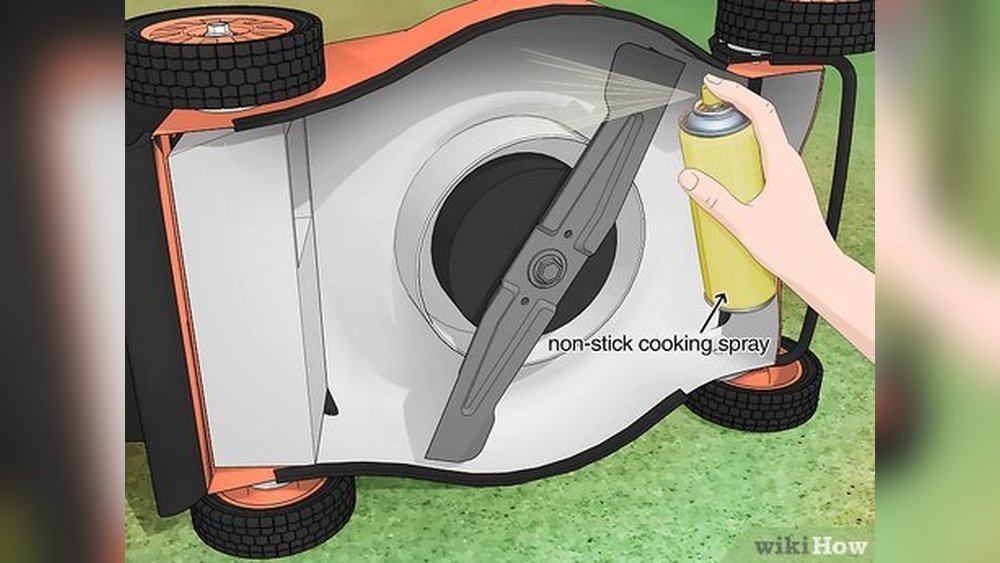
- Coat with Non-Stick Spray: Special sprays or even cooking spray can reduce buildup.
- Sharpen Blades Regularly: Dull blades tear grass, making more mess underneath.
- Check for Rust Often: Early rust can be sanded and repainted.
- Store Mower Indoors: Rain and humidity speed up rust and buildup.
- Keep Discharge Chute Clear: Blocked chutes cause grass to pack under the deck.
Common Mistakes To Avoid
Even experienced users make mistakes when cleaning mower decks. Watch out for these:
- Forgetting to disconnect the spark plug: This can cause serious injury.
- Using harsh chemicals: Strong cleaners can damage the deck paint and harm your lawn.
- Leaving the deck wet: Moisture is the enemy of metal parts.
- Scraping too hard: Metal scrapers can scratch the deck, making rust more likely.
- Ignoring small buildup: Even a little grass can lead to bigger problems over time.

Credit: www.mowmore.com
Real-world Example: Comparing Cleaning Methods
To help you decide which cleaning method works best, here’s a comparison of three common approaches:
| Method | Time Needed | Effectiveness | Best For |
|---|---|---|---|
| Scraper & Hose | 15-20 minutes | High | Heavy buildup |
| Deck Wash Port | 5-10 minutes | Medium | Quick rinse |
| Pressure Washer | 10-15 minutes | Very High | End of season cleaning |
Choosing Cleaning Products: What Really Matters
The cleaning product you use can make a big difference. Here’s a quick overview of popular options:
| Product Type | Pros | Cons | Average Cost |
|---|---|---|---|
| Mild Detergent | Safe, cheap, widely available | May need scrubbing | $3-$5 per bottle |
| Commercial Degreaser | Removes heavy buildup fast | More expensive, can harm paint | $8-$15 per bottle |
| Vinegar Solution | Eco-friendly, safe on hands | Less effective on thick buildup | $2 per gallon |

Credit: www.yourgreenpal.com
Preventing Buildup For Future Maintenance
Prevention is easier than constant cleaning. Here’s how you can keep your mower deck cleaner for longer:
- Spray a non-stick coating after each deep clean
- Sharpen blades at least twice per season
- Clean after mowing wet or weedy areas
- Check for chipped paint and touch up to prevent rust
It’s easy to overlook these steps, but they save time and money in the long run.
Signs You Need To Clean Under The Deck
Sometimes, your mower will tell you it’s time for a clean. Watch for:
- Uneven cutting
- Grass clumps left behind
- Strange noises or vibrations
- Visible buildup when you tip up the mower
Don’t wait until these signs are obvious. Regular checks take just a minute.
Professional Cleaning Vs. Diy
Is it worth paying for professional mower cleaning? In most cases, DIY cleaning is enough. But if your mower has years of buildup, or if you can’t lift it safely, a professional can help. They’ll often use high-pressure tools and check for hidden damage.
Professional cleaning costs between $40 and $80, depending on your location and mower size. For most homeowners, though, regular home cleaning is just as effective and much cheaper.
Environmental Considerations
When cleaning your mower, think about where the water and debris go. Avoid washing clippings into storm drains, as this can cause pollution. Instead, sweep up debris and add it to your compost pile or green bin. If you use chemicals, follow the label and avoid letting them run onto your lawn or garden beds.
For more information on lawn mower care and environmental tips, you can visit the EPA’s Green Landscaping page.
Frequently Asked Questions
Why Does Grass Build Up Under The Mower Deck?
Grass builds up because wet or damp clippings stick to the metal deck. Over time, these layers harden, especially if you mow when the grass is wet or too long.
How Often Should I Clean Under My Lawn Mower?
For best results, do a quick clean after every mow and a full deep clean every 5 uses or at the end of the mowing season.
Can I Use A Pressure Washer Under The Mower Deck?
Yes, but use a low setting and keep the spray away from engine parts and bearings to avoid damage.
Is It Safe To Tip My Mower On Its Side?
It’s safe if you first remove the spark plug wire and make sure the air filter and carburetor face up to prevent leaks. Always follow your mower’s manual.
What’s The Best Way To Prevent Rust Under The Deck?
Dry the deck after cleaning and apply a light coat of WD-40, silicone spray, or a non-stick mower deck spray to protect the metal from moisture.
Keeping your lawn mower in top shape is simple if you clean under the deck regularly. Not only does this improve performance, but it also saves you money and effort in the long run. With the right tools and habits, your mower will give you years of reliable service—and your lawn will show it.