
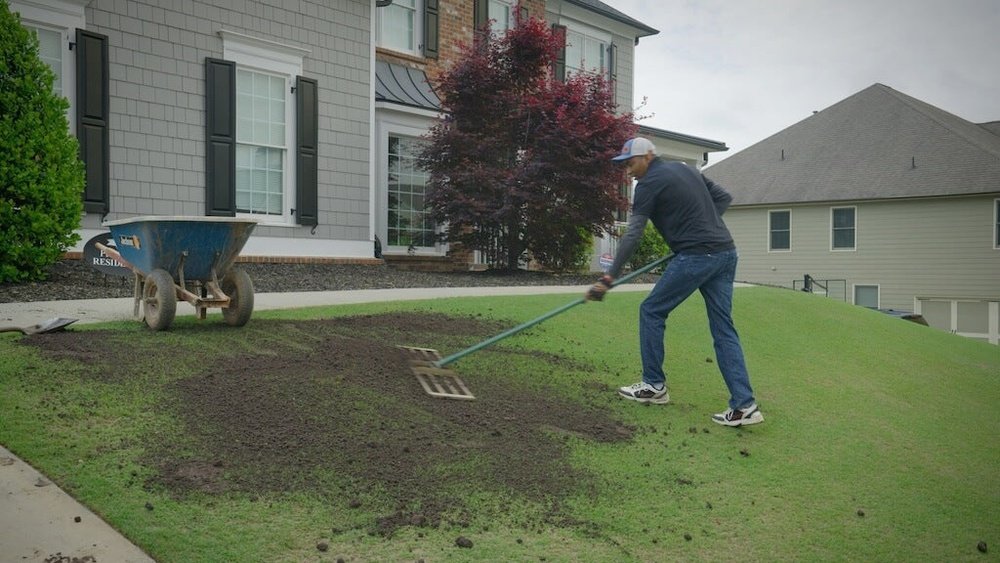
A green, smooth lawn is a dream for many homeowners, but reality often looks different. Bumps and dips can make mowing hard, create puddles, and spoil the look of your yard. If you’re tired of the uneven surface under your feet, you’re not alone. Many people wonder if it’s possible to fix a bumpy lawn themselves. The good news is: yes, you can level your bumpy lawn at home. With the right steps, some patience, and a little work, you can enjoy a smoother, healthier yard. This guide will show you how to level a bumpy lawn, explain why lawns get uneven, and give you tips to avoid common mistakes.
Why Lawns Become Bumpy
Understanding why your lawn is bumpy helps you fix the problem and keep it smooth in the future. Lawns become uneven for several reasons:
- Soil settling: After construction or landscaping, soil sometimes settles in random ways.
- Foot traffic: Playing, walking, or driving on the lawn can compress soil and create dips.
- Animal activity: Moles, earthworms, and other animals move soil and create bumps or holes.
- Grass growth patterns: Some grass types grow unevenly, especially if not cut properly.
- Water drainage: Poor drainage causes soil to wash away or puddle in spots.
- Seasonal freeze-thaw cycles: In cold regions, water in the soil freezes and expands, then shrinks again, leaving bumps and dips.
Sometimes, more than one of these reasons is involved. Identifying what’s causing your bumpy lawn will help you choose the best leveling method.
Tools And Materials You’ll Need
Before you start, gather these essential tools and materials:
- Lawn mower – Trim grass for clear visibility.
- Garden rake – For spreading soil and smoothing.
- Shovel and spade – To move soil and fill deep holes.
- Wheelbarrow – For carrying topsoil or sand.
- Topdressing mix – Usually a mix of topsoil, sand, and compost.
- Lawn roller or tamper – Optional, for pressing down soil.
- Seed or sod – To repair bare spots if needed.
- Watering can or hose – To keep soil and grass moist.
Many people miss the importance of using the right topdressing mix—a blend of sand, soil, and compost works best for most lawns. Also, using a lawn roller is optional but can speed up the process.

Credit: lawnsavers.com
Step-by-step Guide To Level A Bumpy Lawn
1. Mow Your Lawn
Start by cutting your grass short, but don’t scalp it. This helps you see all the bumps and dips clearly. A short lawn also makes it easier to spread new soil evenly. Remove clippings so they don’t block your view or mix with the leveling material.
2. Check For Drainage And Soil Problems
Look for areas where water pools after rain. Poor drainage often leads to uneven ground. If you see wet spots or notice compacted soil, it’s best to fix these issues before leveling. Sometimes you may need to install drainage pipes or aerate the soil to help water soak in better.
3. Identify The High And Low Spots
Walk around and feel for high and low areas with your feet. Mark these spots with small flags, sticks, or even painted stones. For more accuracy, use a long straight board and a level to measure how uneven the ground is.
4. Fill Small Low Spots
For shallow dips (less than 1 inch deep), spread a thin layer of your topdressing mix. Work the mix into the grass with a rake, making sure the blades are not completely buried. Water the area to help the soil settle.
5. Fix Deeper Holes And Large Dips
For holes deeper than 1 inch, remove the grass in that area first. Use a shovel to cut out the turf in one piece and set it aside. Fill the hole with topdressing mix, press down with your hands or a tamper, and then replace the turf.
Water well to help roots re-establish.
6. Smooth Out High Spots
For bumps, use a shovel or spade to carefully remove excess soil. If the bump is covered with grass, cut out the turf first, remove soil as needed, and then put the turf back. Be careful not to remove too much soil at once.
7. Spread Topdressing Over The Whole Lawn
Once you’ve fixed the worst bumps and dips, spread a thin layer (about ½ inch) of topdressing mix evenly over the whole area. Rake it in so that most of the grass blades are still visible. This helps fill small holes and creates a smoother surface over time.
8. Water And Monitor
Water your lawn gently but thoroughly. Moisture helps the new soil settle and supports grass growth. Over the next few weeks, watch for new bumps or dips as the soil settles. Repeat the topdressing step if necessary.
9. Reseed Bare Spots
If some areas lose grass during leveling, sprinkle grass seed over the bare spots. Lightly rake the seed into the soil and water well. Keep the soil moist until new grass sprouts.
10. Maintain Regular Care
Mow, water, and fertilize your lawn as usual. Avoid heavy traffic on newly-leveled areas until the grass is well established.
Choosing The Right Topdressing Material
The type of topdressing you use matters for leveling and healthy grass growth. There are three common materials:
| Material | Pros | Cons | Best For |
|---|---|---|---|
| Sand | Drains well; easy to spread | Poor nutrients; can cause drainage issues if overused | Lawns with heavy clay soil |
| Topsoil | Rich in nutrients | Can compact; may contain weeds | Most general lawns |
| Compost | Improves soil; adds nutrients | Can be messy; may cause unevenness if not screened | Improving poor soil |
For the best results, mix sand, topsoil, and compost in equal parts. Sand helps with drainage, topsoil supports grass, and compost adds nutrients.
When Is The Best Time To Level A Lawn?
Timing is important. The best time to level your lawn is during the growing season—spring or early fall for cool-season grasses, late spring or early summer for warm-season grasses. This allows grass to recover quickly. Avoid leveling during hot, dry weather or when the ground is frozen.
How Long Does It Take To Level A Lawn?
Most lawns can be improved in one day of work, but the soil and grass need time to settle. Expect to see results in two to four weeks. For very bumpy lawns, you may need to repeat the process after a few months.
Common Mistakes To Avoid
Many homeowners make these mistakes when leveling their lawn:
- Using too much topdressing at once: Adding more than ½ inch can smother grass.
- Leveling during drought or extreme heat: Grass can die if stressed.
- Ignoring drainage problems: Bumps and dips will return if water does not drain properly.
- Not reseeding bare spots: Bare soil invites weeds.
- Skipping soil testing: Some bumps are caused by poor soil health.
One non-obvious tip: don’t use pure sand unless your lawn is already sandy. Sand alone can make clay soil hard and water-resistant.
Should You Level By Hand Or Use A Machine?
For most home lawns, hand tools are enough. But if you have a large yard or very uneven ground, you might rent a lawn leveling rake or a small power roller. These tools save time and energy on big jobs.
Here’s a quick look at when each method works best:
| Method | Best For | Cost | Skill Needed |
|---|---|---|---|
| Hand tools | Small to medium lawns | Low | Beginner |
| Leveling rake | Medium to large lawns | Medium | Intermediate |
| Power roller | Very large or heavily compacted lawns | High (rental) | Intermediate to advanced |

Credit: www.youtube.com
How To Prevent A Bumpy Lawn In The Future
Once your lawn is level, a few good habits can keep it smooth:
- Aerate your lawn once a year to reduce soil compaction.
- Fix drainage problems quickly by redirecting water or improving soil structure.
- Avoid heavy traffic when the ground is wet.
- Mow at the right height and keep mower blades sharp.
- Check for animal activity (like moles) and take action if needed.
A non-obvious point: changing mowing patterns (alternating directions each time) helps prevent ruts and uneven growth.
Is It Worth Hiring A Professional?
If your lawn is very large, has serious drainage issues, or is badly compacted, hiring a lawn care professional might be a good idea. They have special equipment and experience for tough jobs. However, most homeowners can handle basic leveling themselves and save money.
For more in-depth resources, the University of California’s Division of Agriculture and Natural Resources offers research-backed lawn care guidance:
uc Anr Turf Maintenance Guide

Credit: www.lovethegarden.com
Frequently Asked Questions
How Often Should I Level My Lawn?
You usually only need to level your lawn once every few years, unless you have ongoing problems like animal damage or poor drainage. Most lawns stay smooth with regular care and spot-repair.
Can I Use Just Sand To Level My Lawn?
Pure sand is not recommended for most lawns, especially if you have clay soil. Sand alone can make the surface hard and water-repellent. A mix of sand, topsoil, and compost is best.
Is It Okay To Level A Wet Lawn?
No, working on a wet lawn can damage grass and compact the soil, making the problem worse. Wait until the soil is moist but not soggy.
Will Leveling Fix Water Puddles In My Yard?
Leveling can help, but you should also fix any drainage problems. Sometimes you need to improve soil structure or install drains to prevent puddles from coming back.
Can I Walk On My Lawn After Leveling?
It’s best to avoid heavy foot traffic for a few weeks after leveling, especially if you’ve reseeded. This gives grass time to recover and roots to grow strong.
A level lawn is not just about looks—it’s about safety, easier mowing, and healthy grass. With careful planning and a bit of work, you can transform your bumpy yard into a smooth, green space you’ll enjoy for years.