
Are you struggling to decide which grass type is best for your lawn? Understanding the difference between cool season and warm season grasses can make all the difference in having a lush, healthy yard year-round.
Whether you live in a cooler climate or a hot region like Austin, Texas, choosing the right grass affects how well it grows, how much care it needs, and how it looks through the seasons. In this guide, you’ll discover the key traits of each grass type, how they handle weather changes, and practical tips to help you pick the perfect match for your outdoor space.
Keep reading to transform your lawn into the vibrant, green oasis you’ve always wanted.

Credit: www.getlawnbright.com
Cool Season Grass Traits
Maintaining cool season and warm season grasses requires specific care. Each type has unique needs to stay healthy and green. Proper maintenance helps grasses grow strong and resist pests. Understanding the differences in care improves lawn appearance year-round.
Mowing Techniques
Cool season grasses grow best with a mowing height of 2.5 to 4 inches. Cutting too short can stress the grass and invite weeds. Warm season grasses prefer mowing between 1 to 3 inches. Use sharp mower blades for clean cuts. Mow frequently enough to remove no more than one-third of the blade length.
Watering Requirements
Cool season grasses need about 1 to 1.5 inches of water per week. Water early in the morning to reduce evaporation. Warm season grasses require less water, about 0.5 to 1 inch weekly. Deep and infrequent watering encourages strong root growth. Avoid overwatering to prevent disease and shallow roots.
Fertilization Tips
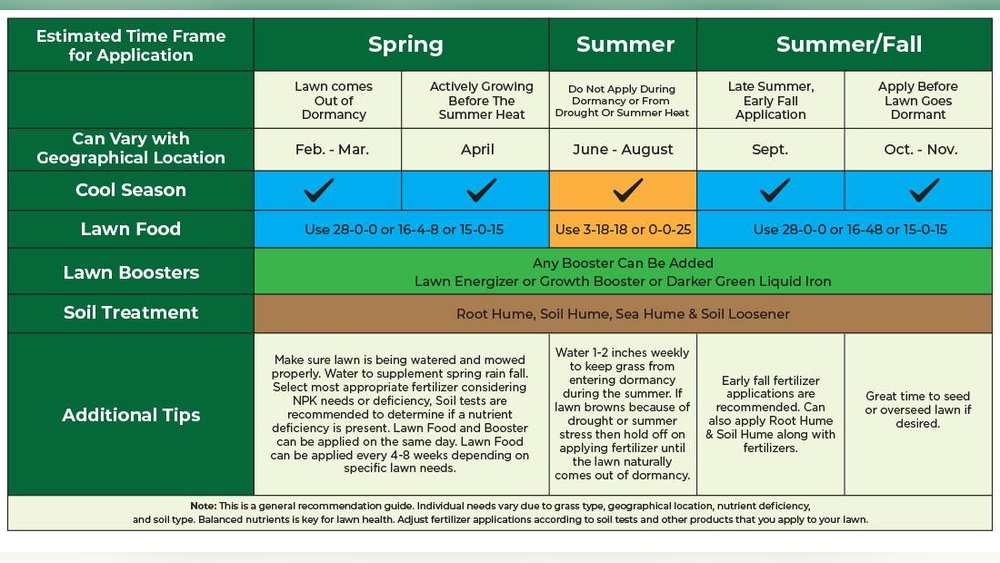
Fertilize cool season grasses in early spring and fall for best growth. Use a balanced fertilizer with nitrogen, phosphorus, and potassium. Warm season grasses benefit from fertilizing in late spring through summer. Avoid fertilizing in winter to prevent weak growth. Follow package instructions to avoid overfeeding the lawn.
Credit: simplelawnsolutions.com
Credit: thelawncarenut.com
Frequently Asked Questions
What Is The Main Difference Between Cool And Warm Season Grass?
Cool-season grasses thrive in cooler temperatures (60-75°F) and grow actively in spring and fall. Warm-season grasses prefer hot weather (80-95°F) and flourish in summer with dormancy in winter.
Which Grass Type Is Best For Austin, Texas Lawns?
Warm-season grasses like Bermuda and St. Augustine are ideal for Austin’s hot summers. Cool-season grasses struggle with Texas heat and often go dormant during peak summer.
How Do Growth Patterns Differ In Cool Vs Warm Grasses?
Cool-season grasses grow quickly in spring and fall but slow or go dormant in summer. Warm-season grasses grow rapidly in summer and become dormant in cold winter months.
Are Maintenance Needs Different For Cool And Warm Season Grasses?
Yes. Cool-season grasses need more watering and fertilizing in spring and fall. Warm-season grasses require less water in summer but need care during dormancy in winter.
Conclusion
Choosing between cool season and warm season grass depends on your climate and lawn needs. Cool season grass thrives in cooler temperatures and stays green longer in fall and spring. Warm season grass grows best in hot weather and recovers quickly from heat stress.
Both types have unique benefits and care routines. Knowing these differences helps you maintain a healthy lawn year-round. Pick the right grass to enjoy a vibrant yard in Austin, Texas, or similar climates. Simple care and the right grass type make all the difference.