
Are you looking to add charm and functionality to your garden? Garden trellises are not just decorative—they play a vital role in supporting your plants and maximizing your garden’s potential.
But with so many types out there, how do you know which one suits your space and plants best? Whether you want to grow climbing roses, sweet peas, or even vegetables, choosing the right trellis can make all the difference.
You’ll discover the main types of garden trellises and how each one can enhance your garden’s beauty and productivity. Keep reading to find the perfect trellis that fits your style and helps your plants thrive.
Common Trellis Types
Garden trellises come in various types, each designed for specific plants and garden styles. Choosing the right trellis helps plants grow strong and healthy. It also adds structure and beauty to your garden space. Below are some common trellis types and their typical uses.
String Trellises
String trellises use thin ropes or strings stretched between posts. They are simple and cheap to make. Ideal for climbing vegetables like peas and beans. They support plants without heavy materials. Easy to adjust as plants grow taller.
Cage Trellises
Cage trellises are circular or square frames placed around plants. They keep plants upright and prevent sprawling. Perfect for tomatoes, peppers, and small fruits. Cages protect plants from wind damage. They also make harvesting easier.
Stake Trellises
Stake trellises use long, sturdy sticks pushed into the ground. Plants climb or tie to the stakes for support. Common for beans, cucumbers, and small vines. Stakes are low cost and easy to set up. They help improve air flow around plants.
Wire Mesh Trellises
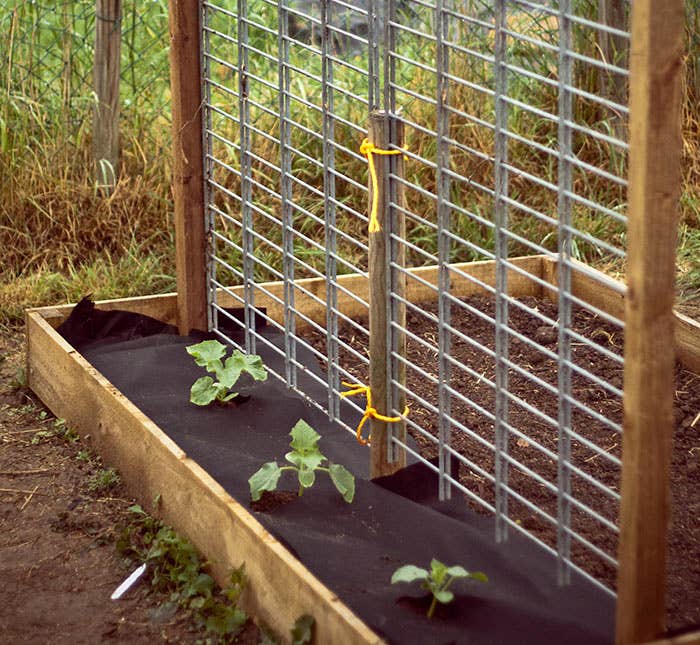
Wire mesh trellises consist of grids made from metal or plastic wire. They provide strong support for heavy vines. Suitable for plants like grapes, cucumbers, and squash. Wire mesh allows good sunlight and air movement. Durable and reusable for many seasons.
Ladder Trellises
Ladder trellises look like ladders placed vertically or at an angle. Plants climb the rungs, which gives excellent support. Great for climbing flowers and vegetables. They add a decorative element to gardens. Easy to move and reposition as needed.
A-frame Trellises
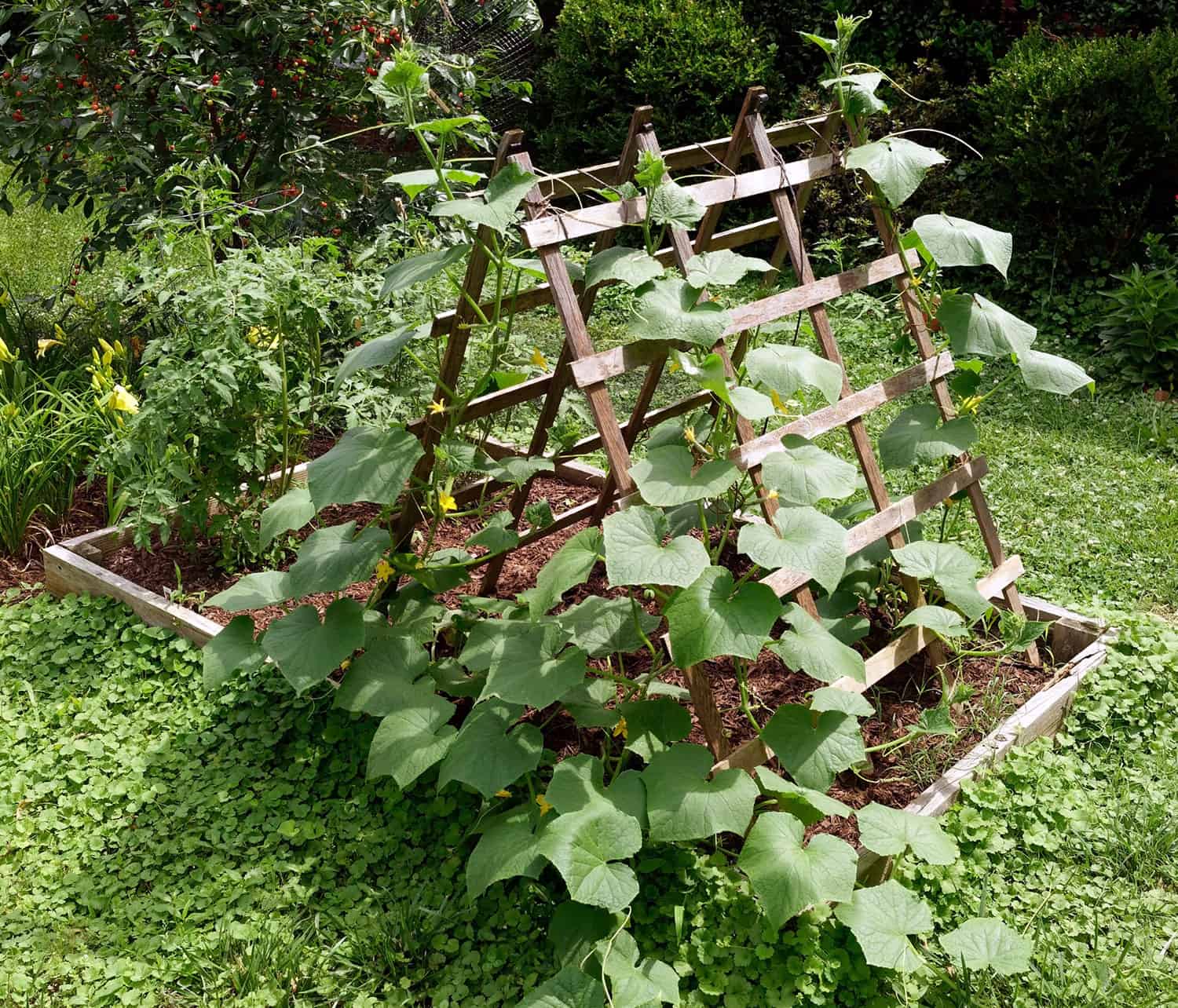
A-frame trellises are shaped like a letter A with two slanted sides. They create a strong, freestanding structure. Ideal for heavy or sprawling plants such as melons and beans. A-frames save space and can be folded for storage. They improve air circulation around plants.
Materials For Trellises
Choosing the right material for a garden trellis shapes its look and durability. Each material suits different plants and garden styles. The choice affects maintenance needs and how long the trellis lasts. Understanding these materials helps pick the best fit for your garden.
Metal Trellises
Metal trellises are strong and last many years. They hold heavy vines like roses and wisteria easily. Metal resists weather well and rarely breaks. These trellises add a classic or modern touch to gardens. Some metals may rust over time without coating. Metal trellises need little upkeep but can be heavy to move.
Wood Trellises
Wood trellises offer a natural, warm look. They fit well with cottage and traditional gardens. Wood supports lighter climbers like morning glories and clematis. This material may need regular painting or sealing to last. Wood can rot or warp if exposed to water long. Trellises made from cedar or redwood resist decay better than others.
Wire And Grid Trellises
Wire and grid trellises are flexible and simple. They work well for vegetables and smaller vines. These trellises are lightweight and easy to install. Wire trellises blend well into garden spaces without blocking views. They may need tightening or replacing after years of use. Wire structures allow plants to grow freely and spread naturally.
Vinyl And Plastic Trellises
Vinyl and plastic trellises resist rot and insects. They require almost no maintenance. These trellises stay bright and clean with just a wash. Plastic models are lightweight and easy to move. They suit gardens needing a neat, modern appearance. Some plastic trellises may not support very heavy plants well. Vinyl trellises often mimic wood for a classic look.
Trellis Shapes
Garden trellises come in many shapes. Each shape fits different garden needs and plant types. Choosing the right shape helps plants grow well and adds style to your garden. Some shapes provide strong support. Others create beautiful garden features. Understanding trellis shapes improves your gardening success.
Panel And Wall-mounted
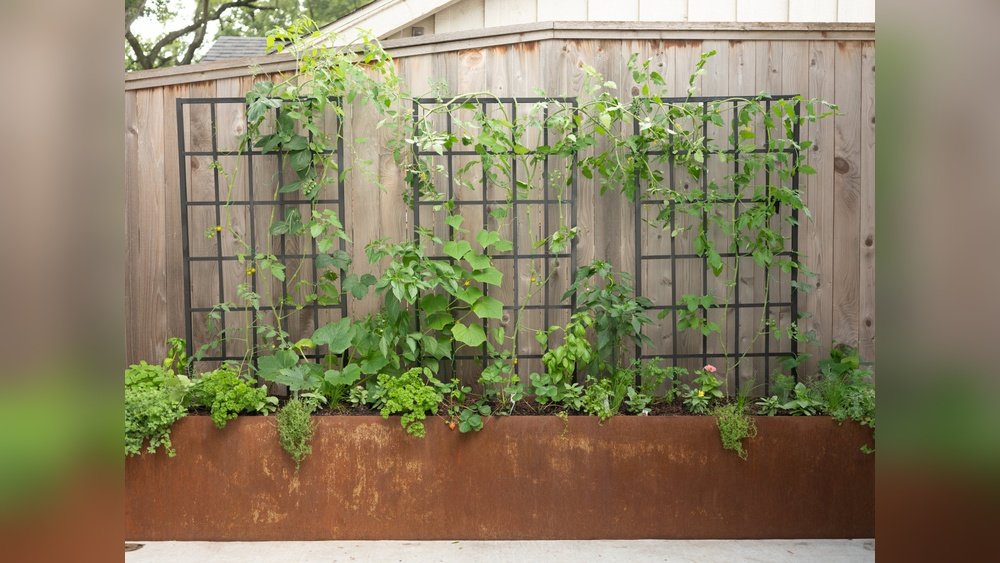
Panel trellises are flat and rectangular. They often attach to walls or fences. These trellises save space and support climbing plants well. Ivy, clematis, and climbing roses grow nicely on panels. Wall-mounted trellises also protect walls from plant damage. They add a green, natural look to plain surfaces. Panels are easy to install and maintain.
Obelisk And Tower
Obelisks and towers are tall and narrow. They stand alone in garden beds or pots. These shapes suit small spaces and corners. They provide vertical support for vines like morning glories or sweet peas. Obelisks add height and drama to gardens. Their pointed tops create visual interest. Towers encourage plants to grow upward, saving ground space.
Arches
Arches create beautiful garden entrances or walkways. They support climbing roses, wisteria, and jasmine well. Arches frame views and invite visitors into garden areas. These shapes add elegance and charm. Plants drape over arches, forming natural tunnels. Arches suit larger gardens or paths. They blend function and beauty perfectly.
Credit: journeywithjill.net
Choosing Trellises By Plant Type
Choosing the right trellis depends on the type of plant you want to grow. Different plants need different support structures. Selecting a trellis that matches the plant’s growth habit helps it thrive. This also keeps your garden neat and attractive. Consider the plant’s weight, climbing style, and space needs. Below are trellis types matched with common plant categories.
Heavy Vines Support
Heavy vines like wisteria and climbing roses need strong trellises. Metal trellises made of iron or steel work best. They hold the weight and resist weather damage. Wood can also support heavy vines but may need treatment to last. Large, sturdy frames prevent vines from sagging or breaking. Place these trellises where vines can spread wide and climb high.
Lightweight Climbers
Lightweight climbers such as clematis and morning glories need gentle support. Wooden or bamboo trellises suit these plants well. They are easy to install and fit smaller spaces. Wire mesh or lattice panels also work. These structures allow vines to weave through and hold on. Choose trellises that match the delicate nature of these plants.
Vegetables And Peas
Vegetables like beans, peas, and cucumbers climb quickly and need practical support. Simple A-frame or ladder trellises are ideal. These trellises give enough height and space for vines to grow. Wire or string trellises keep plants off the ground, reducing rot. Using lightweight materials helps to move or adjust trellises easily in the garden.
Flowering Vines
Flowering vines such as honeysuckle and jasmine add beauty to trellises. Arch-shaped or obelisk trellises create garden focal points. These trellises support moderate vine weight and show off blooms. Choose designs that highlight flowers and suit your garden style. Proper trellis choice helps vines bloom fully and climb evenly.
Trellis Benefits In Gardens
Garden trellises bring many benefits to outdoor spaces. They support climbing plants and improve garden health. Trellises help gardeners save space and boost plant growth. Their uses go beyond simple support, making gardens more efficient and beautiful.
Space Saving
Trellises allow plants to grow upward, not outward. This saves ground space for other plants. Small gardens can fit more crops using vertical growth. Gardeners get more from limited areas by using trellises. This method keeps the garden neat and organized.
Aesthetic Appeal
Trellises add structure and beauty to gardens. They create eye-catching shapes and lines. Flowers and vines climbing trellises look attractive and lively. Garden designs gain charm with well-placed trellises. They can be a focal point or background feature.
Improved Air Circulation
Plants on trellises get better air flow. This reduces moisture around leaves and stems. Good air circulation lowers the risk of plant diseases. Healthier plants grow stronger and produce more fruit. Trellises help keep plants dry and clean.
Easy Harvesting
Fruits and vegetables on trellises are easier to pick. They hang at a comfortable height for gardeners. This reduces bending and searching through dense foliage. Harvesting becomes quicker and less tiring. Trellises keep crops visible and accessible.
Credit: www.hortmag.com
Maintaining Trellises
Maintaining your garden trellises is important for a healthy and beautiful garden. Proper care extends the life of your trellis. It keeps the structure strong and safe for your plants. Different materials need different maintenance methods. Follow simple steps to keep wood, metal, wire, and plastic trellises in top shape. Regular upkeep prevents damage and saves money on replacements.
Wood Care Tips
Wood trellises need protection from moisture and insects. Apply a weatherproof sealant every year. Check for cracks or splinters and sand them smooth. Replace any rotted or broken pieces quickly. Keep the base dry by placing the trellis on stones or bricks. Avoid direct soil contact to reduce decay. Treat wood with natural oils to preserve color and strength.
Metal Protection
Metal trellises resist weather but can rust. Inspect for rust spots and scrape them off with a wire brush. Apply rust-resistant paint or spray to protect the metal. Tighten loose bolts or screws to keep the structure steady. Store lightweight metal trellises indoors during winter. Avoid bending the metal when installing or moving. Regular checks stop corrosion and extend life.
Cleaning Wire And Plastic
Wire and plastic trellises need gentle cleaning. Use mild soap and water with a soft brush or cloth. Rinse well to remove dirt and algae. Avoid harsh chemicals that damage materials. Clear away any plant debris stuck on the wires or plastic panels. Cleaning helps plants grow freely and prevents mold buildup. Inspect for broken wires or cracks and fix them fast.
Seasonal Inspections
Inspect trellises every season for signs of wear and damage. Look for loose joints, broken parts, or leaning structures. Check plant growth to ensure the trellis supports the vines well. Remove dead leaves and debris to reduce pests and rot. Make repairs before the growing season starts. Seasonal care keeps trellises safe and effective year-round.
Creative Trellis Uses
Garden trellises offer more than just plant support. They transform outdoor spaces with creative uses that enhance beauty and function. These versatile structures can define areas, add privacy, or even boost garden productivity. Exploring creative trellis uses can inspire fresh ideas for any garden size or style.
Garden Entrances
Trellises make charming garden entrances. Placing a trellis arch at your garden gate invites visitors warmly. Climbing plants like roses or ivy soften the structure and add color. This creates a natural, welcoming feel. Garden entrances with trellises also define boundaries without solid fences.
Privacy Screens
Use trellises as privacy screens to block unwanted views. Tall trellises covered with dense vines create green walls. These screens offer shade and reduce noise. They are perfect for small gardens or urban spaces needing quiet corners. Privacy trellises blend with the garden while providing seclusion.
Vertical Vegetable Gardens
Grow more in less space by using trellises for vertical vegetable gardens. Plants like cucumbers, beans, and peas climb easily. Vertical growth improves air circulation and sun exposure. It also makes harvesting simpler. Vertical vegetable gardens keep your garden neat and productive.
Decorative Focal Points
Trellises can serve as decorative focal points in your garden. Unique shapes and patterns draw the eye and add interest. Combine with flowering vines or fairy lights to enhance the look. These focal points break garden monotony and highlight special areas. A well-placed trellis adds charm and style.
Credit: www.bigblogofgardening.com
Frequently Asked Questions
What Are The Different Types Of Garden Trellises?
Common garden trellis types include string, cage, stake, wire mesh, ladder, and A-frame trellises. Each supports climbing plants differently.
What Is The 70/30 Rule In Gardening?
The 70/30 rule in gardening means planting 70% reliable, proven plants and 30% experimental or new varieties. This balance promotes success and biodiversity.
What Type Of Trellis Is Best For Climbing Plants?
The best trellis for climbing plants depends on plant type and style. Metal trellises suit heavy vines like roses. Wood fits medium climbers like clematis. Wire trellises work well for delicate vines. Obelisks save space, and arches create garden focal points.
Choose based on durability and size.
What’s The Difference Between A Lattice And A Trellis?
A lattice is a crisscross pattern of wood or metal strips, mainly decorative. A trellis is a framework designed to support climbing plants.
Conclusion
Garden trellises add beauty and support to your plants. Choose the right type based on plant size and style. Metal trellises suit heavy vines and last long. Wooden trellises offer a classic look for lighter plants. Wire or grid trellises work well for delicate climbers.
Trellises also help save space and keep gardens organized. Use trellises to boost plant health and garden charm. Enjoy growing your garden with the perfect trellis choice.