
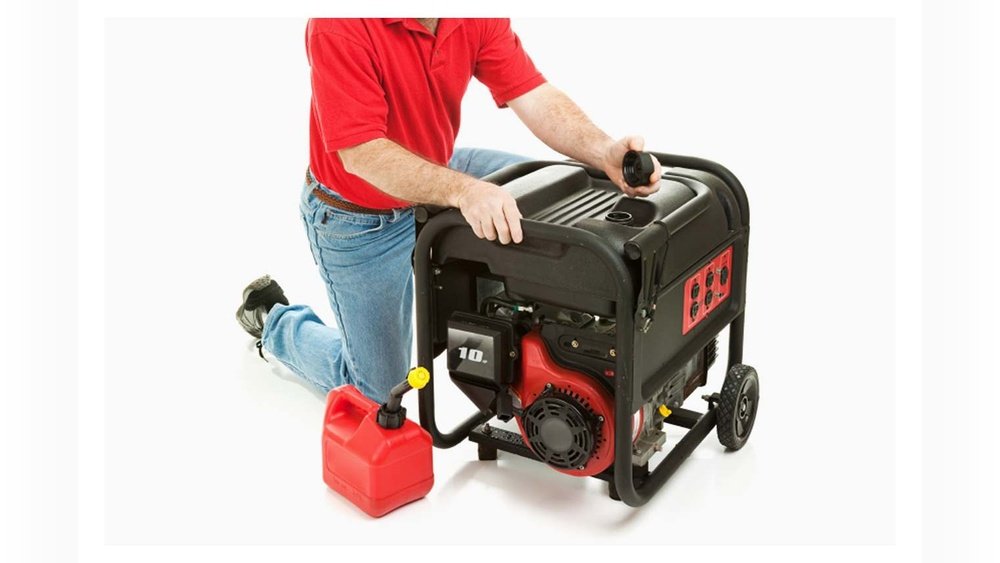
You rely on your portable generator to keep the lights on and power running when you need it most. But have you ever wondered how to keep it in top shape so it’s ready whenever an emergency strikes?
Maintaining your portable generator isn’t complicated, but missing a few key steps can lead to costly repairs or unexpected breakdowns. You’ll discover simple, practical tips that will help you extend the life of your generator, improve its performance, and avoid common mistakes.
Stick with us, and you’ll gain the confidence to maintain your generator like a pro—so it never lets you down.
Credit: www.thepinnaclelist.com
Routine Checks
The battery and electrical system are vital parts of a portable generator. They power the start-up and ensure the generator runs smoothly. Proper care of these components extends the life of the generator and prevents unexpected breakdowns.
Inspect Battery Condition
Check the battery regularly for signs of wear. Look for corrosion on terminals and any cracks on the casing. Clean the terminals with a baking soda solution if you see corrosion. Replace the battery if it no longer holds a charge or shows damage. Store the battery in a cool, dry place when not in use to prevent damage.
Check Electrical Connections
Ensure all wires and connectors are tight and free of rust. Loose connections can cause power loss or sparks. Use a wrench to tighten any loose bolts or screws. Replace frayed or damaged wires immediately. Keep connections dry and protected from dirt and moisture.
Test Generator Output
Use a multimeter to measure the voltage output of the generator. It should match the specifications in the user manual. Test the generator under load by running appliances or tools. This confirms the generator can handle the power needs. If output is low or unstable, service the generator before use.

Credit: woodstockpower.com
Cleaning Tips
Troubleshooting your portable generator helps keep it reliable and ready. Small problems can stop it from working during power needs. Knowing basic fixes saves time and money. This section covers common issues and easy solutions. Follow these simple steps to keep your generator running smoothly.
Common Starting Issues
Check the fuel level first. Empty tanks cause starting problems. Next, inspect the spark plug for dirt or damage. Clean or replace it if needed. Make sure the choke is in the right position. A stuck choke can stop the engine. Also, confirm the oil level is enough. Low oil can prevent start-up. Pull the recoil cord slowly and steadily. Fast or jerky pulls might not start the engine.
Handling Overheating
Overheating can damage your generator. Clear any debris blocking airflow around the engine. Check the oil level and add more if low. Run the generator in a shaded, well-ventilated area. Avoid running it at full load for too long. Give the engine breaks to cool down. If overheating continues, inspect the cooling fan for damage. Replace parts if broken or clogged.
Addressing Fuel Problems
Old or stale fuel causes poor performance. Use fresh gasoline and avoid storing fuel too long. Drain the tank before long storage periods. Clean the fuel filter to prevent clogs. Check the fuel lines for cracks or leaks. Replace damaged hoses immediately. Always use the right fuel type as per the manual. Keep fuel capped tightly to stop dirt and water entry.

Credit: www.bobcatofyork.com
Frequently Asked Questions
What Is The 80% Rule For Generators?
The 80% rule for generators means running them at no more than 80% of their rated capacity. This ensures safety and extends generator life.
What Maintenance Does A Portable Generator Need?
Change oil regularly, clean or replace air and fuel filters, check spark plugs, and use fresh fuel with stabilizer. Run generator monthly.
What Is The 20/20/20 Rule For Generators?
The 20/20/20 rule for generators means running the generator for 20 minutes every 20 days at 20% load. This keeps the engine lubricated and prevents fuel from stagnating. Regular use following this rule ensures reliable performance and extends the generator’s lifespan.
How Often Should You Run Your Portable Generator?
Run your portable generator at least once a month for 15-30 minutes to keep it in good working condition. Regular use prevents fuel from stagnating and keeps the engine lubricated. Always follow the manufacturer’s maintenance schedule for oil and filter changes.
Conclusion
Regular maintenance keeps your portable generator reliable and ready. Check oil, air filters, and spark plugs often. Run the generator occasionally to prevent fuel issues. Store it in a dry, safe place to avoid damage. Follow safety rules to protect yourself and others.
Simple care extends your generator’s life and performance. Stay prepared with these easy maintenance tips.