
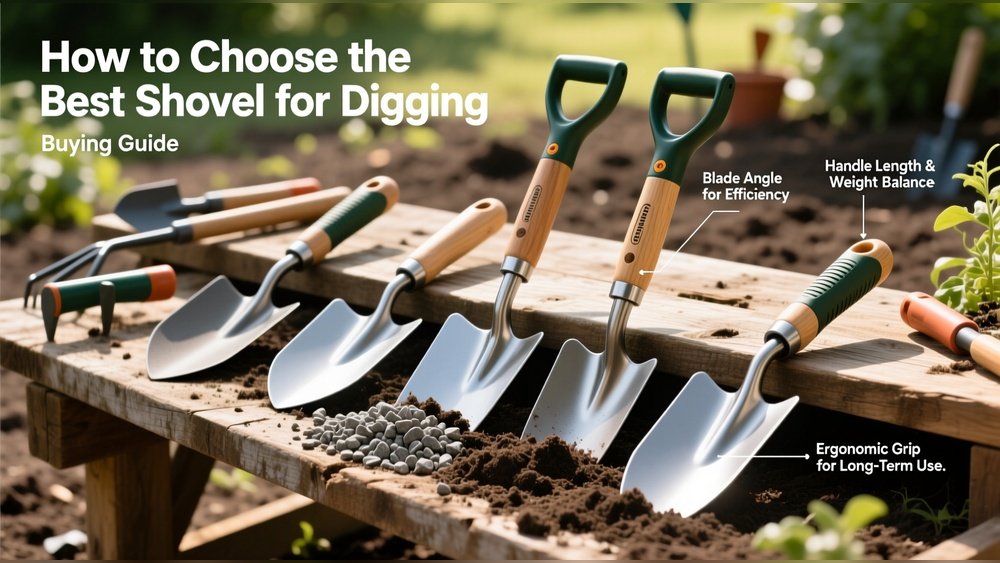
Choosing the right shovel might seem simple, but picking the wrong one can make your work harder and more frustrating. Whether you’re digging a garden, moving soil, or tackling a tough landscaping project, the shovel you use matters a lot.
You want a tool that fits your task perfectly, feels comfortable, and lasts through the job. In this guide, you’ll discover how to find the shovel that matches your needs, saves your energy, and helps you get the work done faster.
Keep reading, and you’ll never struggle with the wrong shovel again.

Credit: www.bch.org
Types Of Shovels
Choosing the right shovel starts with knowing the different types available. Each shovel suits a specific job. Understanding their shapes and uses helps you pick one easily. This section breaks down the main types of shovels.
Round Point Shovels
Round point shovels have a curved, pointed blade. They are great for digging in hard or rocky soil. The pointed tip cuts through tough ground with less effort. These shovels work well for planting and breaking up soil.
Square Point Shovels
Square point shovels have a flat, straight blade. They are perfect for scooping and moving loose materials like sand or gravel. The flat edge also helps with edging or scraping flat surfaces. These shovels are useful in landscaping and clean-up tasks.
Trenching Shovels
Trenching shovels have a narrow, long blade. They are designed for digging narrow trenches or holes. The slim shape allows for precise digging in tight spots. These shovels are ideal for installing pipes or cables in the ground.
Specialty Shovels
Specialty shovels include designs for specific tasks. Examples are snow shovels, garden spades, and coal shovels. Each has unique features that make certain jobs easier. Choose a specialty shovel based on the job’s exact needs.
Shovel Materials
Choosing the right shovel means knowing about its materials. The materials affect strength, weight, and durability. Each part of the shovel has different options. Understanding these helps pick the best shovel for your needs.
Steel Blades
Steel blades are strong and last long. They handle tough digging and hard soil easily. Steel resists bending and breaking under pressure. These blades can rust if not cared for well. A steel blade is good for heavy work.
Aluminum Blades
Aluminum blades are lighter than steel. They make digging less tiring. Aluminum does not rust, so it stays looking new. They are less strong than steel blades. Best for light digging and moving loose dirt.
Wooden Handles
Wooden handles feel natural and provide good grip. They absorb shocks better than other materials. Wood can crack or splinter if it gets wet. Regular care keeps wooden handles strong. They offer a classic look and solid feel.
Fiberglass Handles
Fiberglass handles are tough and resist weather well. They do not crack or splinter like wood. Fiberglass handles are lightweight and strong. They require little maintenance and last longer. Ideal for heavy use and wet conditions.
Shovel Size And Weight
Choosing the right shovel means paying close attention to its size and weight. These factors affect how comfortable and effective the shovel is during use. Picking a shovel that is too big or heavy can tire you quickly. One that is too small might slow down your work.
Understanding blade size, handle length, and overall weight will help you find the perfect shovel for your needs. Each part plays a key role in making your digging tasks easier and safer.
Blade Size
The blade size determines how much soil or material you can move in one scoop. Larger blades hold more, which is good for loose materials like sand or mulch. Smaller blades work better for precise digging or tight spaces. Choose a blade size that fits your task to avoid extra strain.
Handle Length
Handle length affects your reach and leverage. Longer handles give more reach and power but can be harder to control. Shorter handles offer better control and work well in confined areas. Pick a handle length that matches your height and the type of job you will do.
Overall Weight
The overall weight of the shovel impacts how long you can work without fatigue. Heavy shovels are strong and durable but can tire you fast. Lightweight shovels are easier to use for long periods but may not be as sturdy. Balance weight with the strength you need for your work.

Credit: www.lowes.com
Handle Design
The handle design of a shovel greatly affects comfort and efficiency. It influences your grip, control, and how much effort you use. Choosing the right handle can make digging easier and reduce strain on your hands and arms. Different designs suit different tasks and personal preferences.
Straight Handles
Straight handles offer simple, no-frills control. They allow you to use a two-handed grip along the length of the handle. This design is common for general digging and moving soil. Straight handles work well for people who want a lightweight and versatile shovel. They give good reach and leverage for many tasks.
D-grip Handles
D-grip handles have a loop at the end shaped like the letter “D.” This loop improves grip and control during heavy digging. The design lets you hold the shovel firmly with one hand while pushing with the other. D-grip handles help reduce hand fatigue. They are ideal for tough soil or precision work.
Ergonomic Handles
Ergonomic handles are shaped to fit the natural curve of your hand. They often have padding or textured grips for comfort. These handles reduce strain on your wrists and arms. Ergonomic designs suit long periods of use and people with joint issues. They improve control and make digging less tiring.
Matching Shovels To Tasks
Choosing the right shovel depends on the task you need to complete. Different jobs require different shovel types. Picking the correct shovel makes work easier and faster. This guide helps you match shovels to specific tasks. Find the best shovel for your needs below.
Digging And Landscaping
Round point shovels are best for digging and landscaping. Their curved blades cut through soil easily. They work well in hard or rocky ground. These shovels help create garden beds and plant trees. The pointed tip breaks the soil, making digging simple.
Transferring Loose Material
Square point shovels excel at moving loose material like gravel or sand. Their flat blades scoop and carry material efficiently. Use them to transfer mulch or compost in your garden. The flat edge helps level surfaces too. They are strong and durable for heavy loads.
Trenching And Tight Spaces
Narrow trenching shovels work well in tight spaces. They dig narrow, deep trenches for pipes or cables. The slim blade fits between plants or in small areas. These shovels offer precision and control during digging. They reduce damage to nearby roots or structures.
Snow Removal
Snow shovels have wide, flat blades to push snow aside. Lightweight materials reduce fatigue during long use. Some have curved edges to scoop snow quickly. They clear driveways, sidewalks, and steps with ease. Look for shovels with comfortable handles for better grip.
Durability And Maintenance
Durability and maintenance play a key role in choosing the right shovel. A shovel that lasts longer saves money and effort. Proper care keeps it working smoothly for many years. Knowing how to judge durability helps pick a strong tool. Learning simple maintenance tips prevents damage and wear.
Blade Strength
The blade must be strong to handle tough soil and rocks. Steel blades are common for their durability and sharpness. Look for blades made from hardened steel for extra strength. Avoid thin metal that bends or breaks easily. A strong blade makes digging easier and faster.
Rust Resistance
Rust can weaken the shovel blade and shorten its life. Choose blades with rust-resistant coatings like powder coating or galvanized steel. Stainless steel blades resist rust but may cost more. After use, clean the blade and dry it well to prevent rust. Store the shovel in a dry place to keep it rust-free.
Handle Care Tips
Handles can be made of wood, metal, or fiberglass. Wooden handles need regular checks for cracks or splinters. Sand rough spots and apply linseed oil to protect wood. Metal handles should be checked for rust and cleaned regularly. Fiberglass handles require less maintenance but should be stored properly. Avoid leaving shovels outside to extend handle life.
Budget Considerations
Choosing the right shovel involves balancing quality and cost. Budget plays a crucial role in this decision. Spending wisely ensures you get a tool that fits your needs without overspending. There are options available for every budget, from basic to high-end. Understanding these categories helps you make an informed choice.
Entry-level Options
Entry-level shovels are affordable and good for light tasks. They usually have basic materials and simple designs. These shovels work well for small gardens or occasional use. They may not last long under heavy work but serve beginners well. Consider them if you need a shovel for easy jobs or want to try before investing more.
Mid-range Choices
Mid-range shovels offer better durability and comfort. They often feature stronger materials like steel heads and reinforced handles. These shovels suit regular gardeners and homeowners with medium tasks. They balance price and performance effectively. Choose this range for a reliable shovel that lasts longer and feels better in hand.
Premium Shovels
Premium shovels deliver top quality and advanced features. They use high-grade steel and ergonomic designs for tough jobs. These shovels are ideal for professionals or heavy-duty use. Expect a higher price but excellent durability and comfort. Opt for premium if you want the best tool and plan to use it often.
Credit: plantin.alibaba.com
Ergonomics And Comfort
Choosing a shovel is not just about the blade or size. Ergonomics and comfort play a key role in how well you work. A shovel that fits your body reduces fatigue and injury risk. Understanding the ergonomics helps you pick a tool that feels natural and easy to handle. Comfort during use improves your efficiency and enjoyment.
Weight Distribution
Good weight distribution balances the shovel evenly. It prevents the tool from feeling heavy on one side. A balanced shovel requires less effort to lift and push. This reduces muscle strain and makes work smoother. Check if the handle and blade work together for even weight.
Grip Comfort
The handle grip affects how well you hold the shovel. Look for soft, non-slip materials that fit your hand size. A comfortable grip stops blisters and hand pain. Some shovels have ergonomic handles shaped to reduce pressure points. These grips keep your hands relaxed during long use.
Reducing Strain
Shoveling can strain your back, shoulders, and arms. Choose a shovel with the right length to avoid bending too much. Longer handles let you stand straighter while digging. Some shovels have cushioned grips and angled handles to ease joint stress. Using the right shovel reduces muscle fatigue and injury risk.
Tips For First-time Buyers
Choosing the right shovel can feel tricky for first-time buyers. The right tool makes work easier and safer. Knowing what to look for helps you pick a shovel that fits your needs and strength. This section offers simple tips to guide you through the process.
Assessing Your Needs
Start by thinking about the tasks you will do. Digging in hard soil needs a strong, pointed shovel. Moving loose dirt or gravel works better with a flat, square shovel. Consider the size of your project. Small gardens may need a smaller shovel for better control. Large jobs might require a bigger, durable tool.
Testing Shovel Balance
Hold the shovel before buying it. Check if it feels comfortable in your hands. The weight should be evenly spread between the handle and blade. A well-balanced shovel reduces fatigue and improves control. Try lifting and moving it like you would during work. This helps avoid tools that feel too heavy or awkward.
Reading Reviews
Look for honest feedback from other buyers. Reviews reveal how shovels perform in real use. Pay attention to comments about durability and ease of use. Reviews also mention if a shovel fits different body types well. Choose brands with consistent positive ratings to ensure quality.
Frequently Asked Questions
What Type Of Shovel Is Best For Digging?
A round point shovel is ideal for digging in tough soil. It penetrates easily and moves dirt efficiently, making it perfect for general digging tasks.
How To Choose A Shovel For Landscaping Work?
For landscaping, a square point shovel works best. It helps transfer loose materials like soil or mulch smoothly and evenly.
Which Shovel Suits Trench Digging Or Tight Spaces?
A trenching shovel is designed for narrow, deep digging. Its slim blade allows precise digging in tight spots or trenches.
What Handle Length Is Best For A Shovel?
Choose a handle length that suits your height and task. Longer handles offer more leverage, while shorter ones provide better control.
Conclusion
Choosing the right shovel makes your work easier and faster. Think about the task before picking a shovel type. Consider the blade shape, handle length, and material quality. A well-chosen shovel lasts longer and feels comfortable to use. Take time to compare options and pick what suits your needs best.
Good tools help you get the job done right every time.