
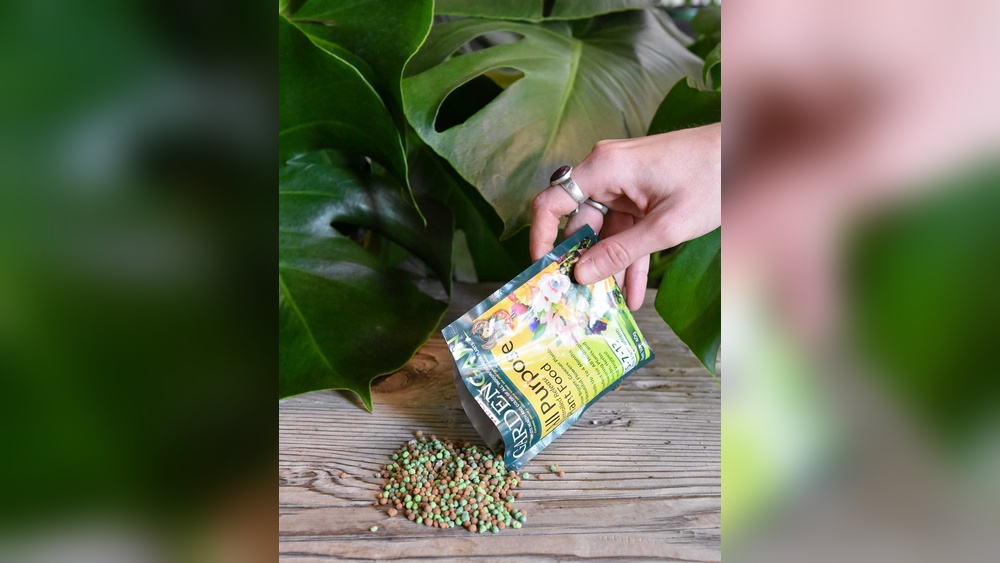
If you want your indoor plants to thrive and look their best, knowing how to fertilize them properly is key. Using the right houseplant fertilizer can make a huge difference in your plants’ health and growth.
But with so many options and methods out there, it can be confusing to figure out what works best for your green friends. You’ll discover simple, effective tips to feed your indoor plants the right way—helping them stay vibrant, lush, and full of life.
Ready to give your plants the boost they deserve? Keep reading to learn how!
Credit: gardenerspath.com
Choosing The Right Fertilizer
Choosing the right fertilizer is key to healthy indoor plants. Different plants have different needs. The right fertilizer supplies nutrients plants need to grow strong and green. Understanding the types of fertilizers helps you pick the best one for your houseplants. This guide will explain the main options available.
Types Of Houseplant Fertilizers
Houseplant fertilizers come in various forms. Some provide nutrients quickly. Others release nutrients slowly over time. Common types include liquid, granular, and spikes. Each type works differently to feed your plants. Knowing the differences helps you decide which fits your routine and plant type.
Liquid Vs. Granular Options
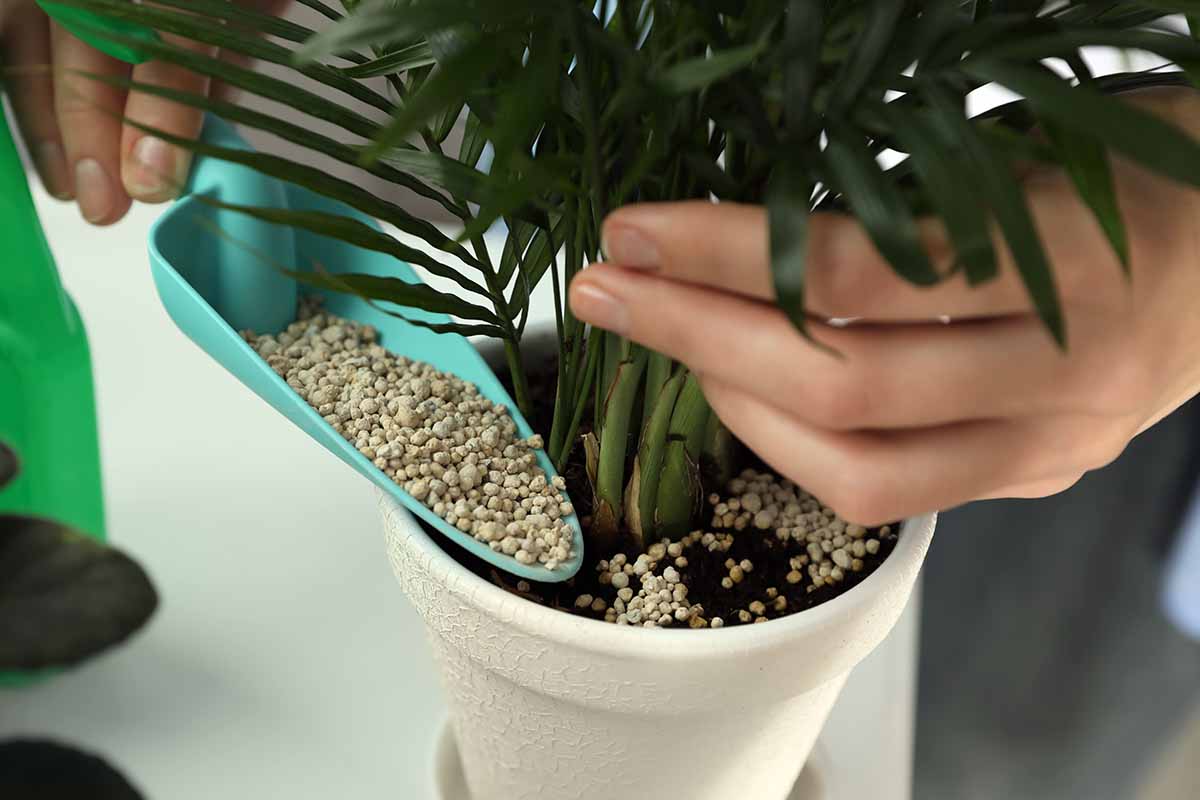
Liquid fertilizers dissolve in water for fast feeding. They are easy to apply during regular watering. Granular fertilizers release nutrients slowly. You sprinkle them on the soil surface. Granular fertilizers need less frequent application. Choose liquid for quick results or granular for steady feeding.
Organic Vs. Synthetic Choices
Organic fertilizers come from natural sources. They improve soil health“>soil health and release nutrients slowly. Synthetic fertilizers are man-made and supply nutrients quickly. Organic options are gentle and eco-friendly. Synthetic fertilizers give precise nutrient amounts fast. Pick organic for a natural approach or synthetic for rapid growth.
When To Fertilize Indoor Plants
Knowing when to fertilize indoor plants helps keep them healthy and growing. Plants need nutrients to thrive, but too much fertilizer can harm them. Timing the feeding right is important for best results. This section explains when to add houseplant fertilizer to your indoor plants.
Seasonal Fertilizing Schedule
Indoor plants grow more in spring and summer. These seasons need regular feeding every two to four weeks. Use a balanced houseplant fertilizer for steady growth. In fall and winter, plants grow slower. Fertilizing should reduce or stop during these months. This rest period prevents nutrient buildup and plant stress. Adjust feeding based on your plant’s growth cycle.
Signs Your Plant Needs Fertilizer
Leaves turn pale or yellow without enough nutrients. New growth may be small or slow. Plants may drop leaves or look weak. Roots might not fill the pot well. These signs show your plant needs fertilizer. Use a diluted fertilizer solution to avoid overfeeding. Feeding only when needed keeps plants healthy and strong.
How To Apply Fertilizer Safely
Applying fertilizer safely is key to healthy indoor plants. Overfeeding or wrong use can harm plants. Proper steps help plants get nutrients without stress. Follow simple rules for best results.
Dilution And Measurement Tips
Always dilute fertilizer before use. Use clean water for mixing. Measure fertilizer with a small spoon or cup. Follow package instructions carefully. Too strong a mix can burn roots. Mix only what you need. Fresh mix works best for plants.
Avoiding Overfertilization
Do not fertilize too often. Most plants need feeding once a month. Some need less during winter. Watch for yellow leaves or brown tips. These signs show overfertilization. Stop feeding if plants look weak. Use less fertilizer if unsure.
Application Techniques
Apply fertilizer evenly around the plant base. Avoid getting it on leaves or stems. Water plants before fertilizing to avoid root shock. Use a watering can or spray bottle. Always clean tools after use. This keeps fertilizer safe and effective.

Credit: savvygardening.com
Tailoring Fertilizer To Plant Types
Different indoor plants need different types of fertilizer. Using the right fertilizer helps plants grow strong and healthy. It also prevents damage from too much or too little nutrients. Understanding each plant’s needs is key to feeding them properly.
Succulents and cacti need less fertilizer than other plants. They store water in their leaves and stems. Too much fertilizer can harm these plants. Choose a fertilizer low in nitrogen and use it sparingly. Fertilize only during their growing season, usually spring and summer.
Fertilizing Succulents And Cacti
Succulents and cacti prefer a balanced fertilizer with low nitrogen. Use a diluted liquid fertilizer once a month during growth periods. Avoid fertilizing in winter when plants rest. Too much fertilizer can cause soft, weak growth and root problems.
Feeding Flowering Houseplants
Flowering plants need fertilizer high in phosphorus. This helps blooms grow large and colorful. Use a liquid fertilizer every two weeks in spring and summer. Stop feeding after flowering ends. Overfeeding can reduce flower production and cause leaf issues.
Care For Foliage Plants
Foliage plants need fertilizer rich in nitrogen. Nitrogen supports healthy leaf growth and deep green color. Feed these plants every two to four weeks in the growing season. Use a balanced or nitrogen-heavy fertilizer. Avoid excess fertilizer to prevent leaf burn and salt build-up.
Common Fertilizer Mistakes To Avoid
Fertilizing indoor plants helps them grow healthy and strong. Many people make mistakes that harm their plants instead. Avoiding these errors keeps plants happy and thriving. Understanding common fertilizer mistakes is key for good plant care.
Signs Of Fertilizer Burn
Too much fertilizer can cause fertilizer burn. Leaves may turn yellow or brown at the edges. The plant might look dry and weak. Roots can get damaged, stopping the plant from absorbing water. Watch plants closely after feeding them fertilizer.
Ignoring Plant Needs
Different plants need different amounts of fertilizer. Some need feeding every few weeks. Others need less often or not at all. Not paying attention to these needs can harm plants. Learn about your plant’s specific fertilizer requirements before starting.
Using The Wrong Fertilizer
Using the wrong type of fertilizer can confuse plants. Some fertilizers are for flowering plants only. Others work better for leafy green plants. Fertilizer types vary in nutrients like nitrogen, phosphorus, and potassium. Choose fertilizer that matches your plant’s type and growth stage.

Credit: tedsgardens.com
Enhancing Fertilizer Effectiveness
Enhancing fertilizer effectiveness boosts plant growth and health. Proper fertilizer use alone is not enough. Careful attention to other factors helps plants absorb nutrients better. This section covers key practices to improve fertilizer results for indoor plants.
Complementary Plant Care Practices
Healthy plants use fertilizer better. Water plants correctly to avoid stress. Too much or too little water reduces nutrient uptake. Keep plants in good light. Light helps plants make food and grow strong. Remove dead leaves to prevent disease. Clean pots and tools stop pests and infections. These simple habits support fertilizer efficiency.
Soil Health And Fertilizer Uptake
Good soil improves nutrient absorption. Use well-draining soil to prevent root rot. Healthy soil has organic matter that feeds roots. Check soil pH to match plant needs. Balanced pH helps roots take in nutrients. Avoid compacted soil that blocks root growth. Aerate soil by gently loosening it now and then. Strong roots mean better fertilizer use and happier plants.
Frequently Asked Questions
How Often Should I Fertilize Indoor Plants?
Fertilize indoor plants every 4 to 6 weeks during their growing season. Avoid fertilizing in winter when growth slows. Over-fertilizing can harm plants, so follow package instructions carefully for best results.
What Type Of Fertilizer Is Best For Houseplants?
Use a balanced, water-soluble fertilizer with equal N-P-K ratios. Organic or synthetic fertilizers both work well. Choose one formulated specifically for houseplants to support healthy foliage and root growth.
Can I Use Outdoor Fertilizer On Indoor Plants?
Outdoor fertilizers may be too strong or contain harmful chemicals for indoor plants. It’s safer to use fertilizers labeled for houseplants. This prevents nutrient burn and keeps your plants healthy.
How Do I Apply Houseplant Fertilizer Correctly?
Dilute fertilizer in water as per label instructions. Apply evenly to soil, avoiding leaves. Water plants before fertilizing to prevent root damage. This ensures nutrients absorb properly and promotes strong growth.
Conclusion
Fertilizing indoor plants helps them grow healthy and strong. Use the right fertilizer and follow the instructions carefully. Water the plants before and after feeding to avoid root problems. Feed your plants regularly but do not overdo it. Watch your plants closely for signs of hunger or stress.
Healthy plants bring life and beauty to your home. Keep caring for them with patience and love. Simple steps can make a big difference in your indoor garden. Enjoy the green space you create!