

Are you ready to add charm and security to your garden with a gate you build yourself? Building your own garden gate may seem tricky, but with the right steps, tools, and a bit of patience, you can create a sturdy and stylish entrance that fits your space perfectly.
This DIY guide breaks down the process into simple, easy-to-follow instructions that anyone can tackle—even if you’re new to woodworking. Stick with me, and by the end, you’ll have the confidence and know-how to craft a beautiful garden gate that welcomes friends and keeps your outdoor space secure.
Let’s get started!

Credit: www.youtube.com
Planning Your Gate
Gathering the right tools and supplies is the first step in building your garden gate. Having everything ready makes the project easier and faster. This guide will help you collect all necessary items before starting.
Essential Tools List
- Measuring tape for accurate dimensions
- Hand saw or circular saw for cutting wood
- Power drill with drill bits
- Screwdriver or impact driver
- Hammer for nails and adjustments
- Carpenter’s square for right angles
- Clamps to hold pieces steady
- Sandpaper or electric sander
- Pencil for marking cuts
- Level to ensure gate is straight
Recommended Hardware
- Hinges strong enough to support gate weight
- Gate latch for secure closing
- Screws and nails suitable for outdoor use
- Corner braces for extra support
- Bolts if needed for heavy gates
- Weather-resistant paint or sealant
Wood And Other Materials
Choose wood that resists decay, such as cedar or redwood.
Pressure-treated lumber also works well for outdoor gates.
Use wood that matches your fence style and garden design.
Gather wood boards, posts, and any decorative elements.
Buy enough materials to allow for mistakes and adjustments.
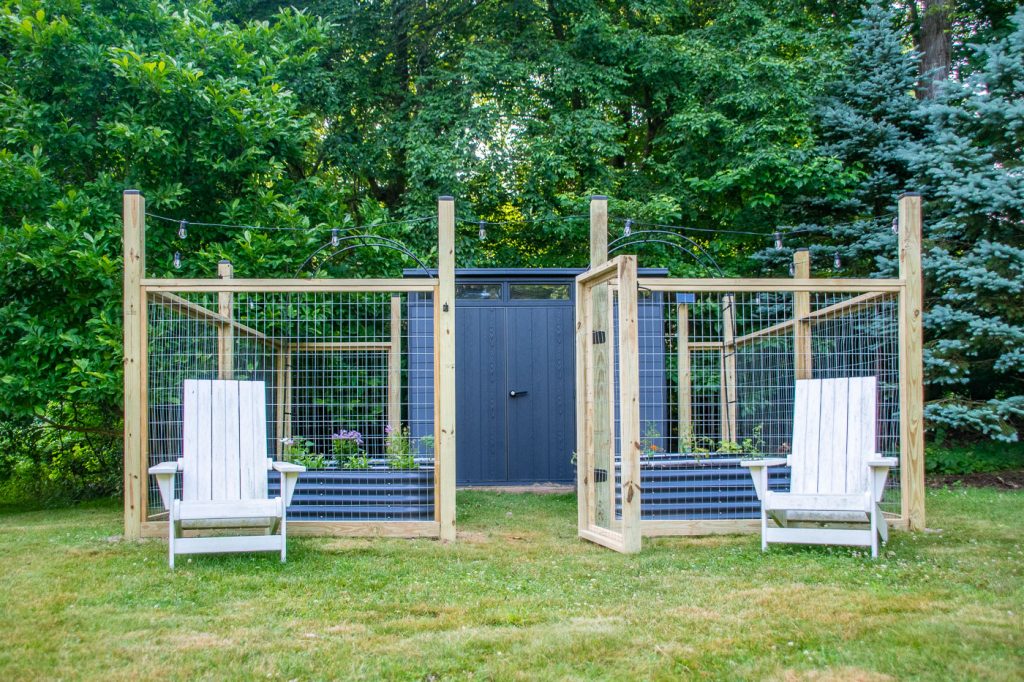
Credit: atcharlotteshouse.com
Gathering Tools And Supplies
Attaching hinges and hardware is a key step in building your garden gate. This stage ensures your gate swings smoothly and stays secure. Proper hinge and hardware installation increases the gate’s durability. It also adds to the gate’s overall look and function.
Choosing Hinge Types
Select hinges based on your gate’s weight and style. Strap hinges work well for heavy wooden gates. They offer strong support and a classic look. Butt hinges suit smaller, lighter gates and are less visible. Consider galvanized or stainless steel hinges for outdoor use. These resist rust and last longer in all weather.
Installing Hinges
Position hinges evenly on the gate and post for balance. Mark screw holes with a pencil before drilling. Use a drill bit slightly smaller than screws to avoid wood splitting. Attach hinges first to the gate, then to the post. Check the gate’s swing direction and clearance before tightening screws. Test the gate by opening and closing it slowly. Adjust hinge screws if the gate sticks or sags.
Adding Latches Or Locks
Choose a latch or lock that fits your gate’s style and security needs. Slide bolts are simple and effective for keeping gates closed. Thumb latches add charm and easy operation. For extra security, install a keyed lock or combination lock. Mount the latch at a comfortable height for easy use. Check alignment with the strike plate before final fixing. Test the latch multiple times to ensure smooth locking and unlocking.
Preparing The Workspace
Installing the gate is a key step in your garden gate DIY project. This step ensures the gate fits well and functions properly. Take your time to position the gate right. Attach hinges securely for lasting strength. Finally, adjust the gate for smooth opening and closing.
Positioning The Gate
Place the gate in the opening between posts. Check the gap under the gate; leave about 2 inches for clearance. Use a level to make sure the gate stands straight. Mark the spots on the post where hinges will go. Make sure the gate swings in the direction you want.
Securing Hinges To Posts
Attach the hinges to the gate frame first. Use screws that match the hinge size for a tight fit. Hold the gate in position and mark hinge spots on the post. Pre-drill holes to avoid splitting the wood. Screw the hinges firmly into the posts for strong support.
Adjusting For Smooth Operation
Test the gate by swinging it open and closed. Check for any rubbing or dragging on the ground or posts. Adjust the hinge screws to raise or lower the gate as needed. Tighten all screws once the gate moves smoothly. Add a latch to keep the gate securely closed.

Credit: www.youtube.com
Frequently Asked Questions
What Materials Do I Need To Build A Garden Gate?
You need sturdy wood boards, screws, hinges, a latch, and wood sealant. Choose weather-resistant wood like cedar or redwood for durability. Proper tools like a saw, drill, and measuring tape are essential for accurate construction.
How Do I Measure For A Diy Garden Gate?
Measure the gate opening width and height accurately. Allow extra space for gate clearance and hardware installation. Ensure measurements match your fence height for a consistent look and secure fit.
What Is The Easiest Garden Gate Design For Beginners?
A simple rectangular frame with cross braces (an “X” style) is easiest. This design provides strength and stability while being straightforward to build. It requires minimal cutting and assembly skills.
How Do I Install Hinges On A Garden Gate?
Attach hinges to the gate frame first, then to the gate post. Use sturdy screws and ensure hinges align properly for smooth swinging. Test the gate’s movement before final tightening.
Conclusion
Building a garden gate yourself saves money and adds charm. Follow each step carefully to ensure a sturdy gate. Choose materials that suit your garden style and weather. Take your time measuring and cutting for a perfect fit. Enjoy the satisfaction of creating something useful with your hands.
Your new gate will welcome friends and keep your garden safe. Simple tools and patience lead to great results. Start your project today and watch your garden transform.