

Are you struggling with hard, crumbly, or poorly draining soil in your garden? Improving your soil structure can make all the difference in growing healthier plants and bigger harvests.
By applying the right soil amendments, you can transform your soil into a nutrient-rich, well-balanced foundation that helps your plants thrive. You’ll discover simple, effective ways to improve your soil structure and unlock your garden’s full potential. Keep reading to learn exactly how to give your soil the boost it needs!
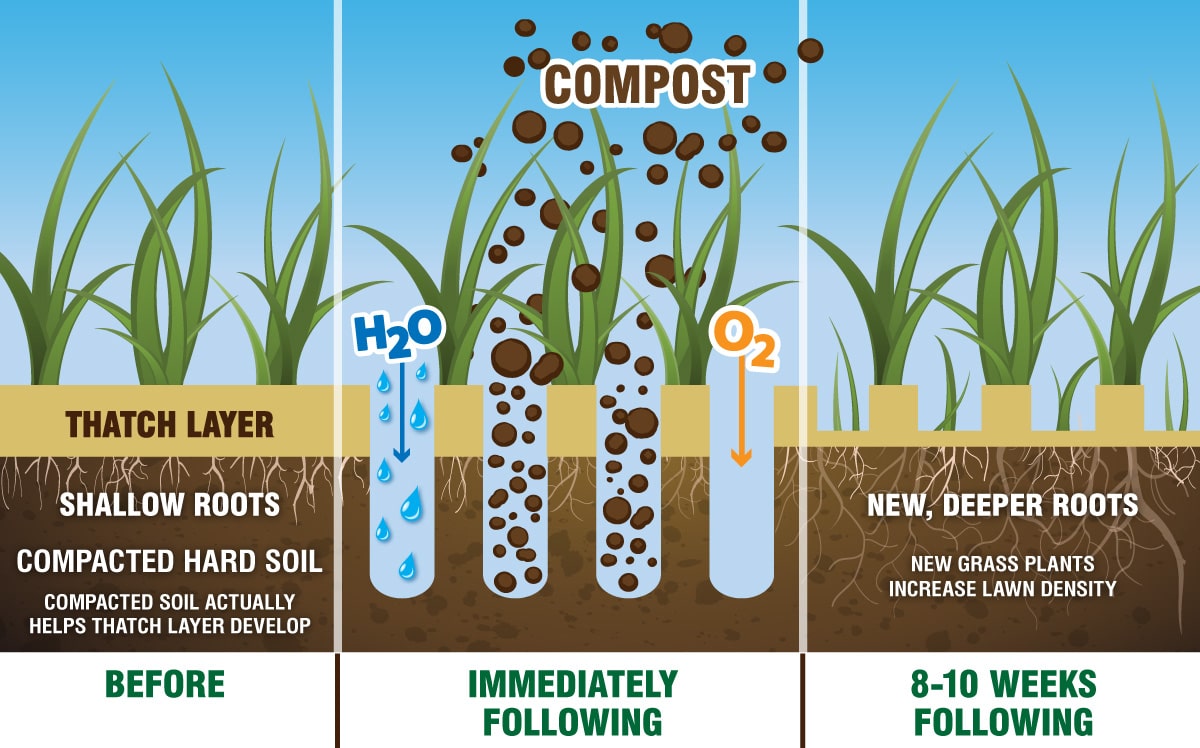
Credit: www.mmsd.com
Soil Structure Basics
Understanding soil structure is key to improving garden health. Soil structure means how soil particles stick together. Good structure lets air, water, and roots move freely. It helps plants grow strong and healthy. Poor structure blocks air and water, hurting plants.
Key Soil Components
Soil has three main parts: sand, silt, and clay. Sand has large particles and drains fast. Silt has medium-sized particles and holds water well. Clay has tiny particles that hold nutrients tightly. Organic matter, like compost, helps bind these particles. It improves air and water flow. Living things like worms also help soil stay healthy.
Signs Of Poor Soil Structure
Soil that is hard and crusty shows poor structure. Water may pool or run off instead of soaking in. Plants may wilt even with watering. Roots might not grow deep or spread well. Soil that stays soggy or dries too fast also has problems. These signs mean soil needs help to improve.
Types Of Soil Amendments
Soil amendments improve soil structure and boost plant growth. They change soil texture, drainage, and nutrient levels. Different types of soil amendments work in different ways. Choosing the right type helps your garden thrive.
Organic Amendments
Organic amendments come from natural sources. Compost, manure, and peat moss are common examples. They add nutrients and improve soil moisture. Organic matter helps soil hold air and water well. It also feeds helpful soil microbes. Over time, organic amendments break down and enrich soil.
Inorganic Amendments
Inorganic amendments are made from minerals or synthetic materials. Sand, perlite, and vermiculite are popular choices. They improve soil drainage and aeration. These amendments do not provide nutrients. Instead, they change soil texture quickly. Inorganic amendments help heavy clay or compacted soils.
Biological Amendments
Biological amendments contain living organisms. Examples include mycorrhizal fungi and beneficial bacteria. They improve nutrient uptake and disease resistance. These microbes form partnerships with plant roots. Biological amendments boost soil health naturally. They help plants grow stronger and healthier.
Choosing The Right Amendment
Improving soil structure starts with selecting the right soil amendment. The right choice supports plant growth and soil health. Different soils need different types of amendments. Understanding your soil’s condition helps make the best decision.
Applying the wrong amendment can waste time and money. It may also harm the soil instead of helping it. Testing your soil and knowing its needs guides the selection process. This way, you improve soil texture, drainage, and nutrient content effectively.
Soil Testing Methods
Soil testing reveals important details about soil health. It shows pH, nutrient levels, and soil texture. Simple tests include home kits or sending samples to labs. Lab tests provide detailed reports with clear recommendations.
Collect soil samples from different garden spots. Mix samples for an average result. Avoid testing right after fertilizing or watering. Wait a few weeks for accurate results. Regular testing helps track soil changes over time.
Matching Amendments To Soil Needs
Match amendments to the soil’s specific problems. Clay soils benefit from organic matter like compost. Sandy soils need materials that hold moisture, such as peat moss. Acidic soils may require lime to raise pH.
Amendments also add nutrients. For nitrogen-poor soil, add manure or blood meal. For phosphorus, bone meal works well. Balance is key. Overuse of amendments can harm plants and soil life.
Choose amendments based on test results and plant needs. This approach improves soil structure and supports healthy growth. Always follow recommended application rates for best results.

Credit: www.amazon.com
Preparation Before Application
Preparing the soil before adding amendments is essential for best results. Proper preparation helps the amendments mix well with the soil. It also improves soil structure effectively. Taking time to prepare the ground saves effort later.
Preparation involves clearing old debris and loosening compacted soil. Choosing the right time and weather conditions also matters. These steps help soil absorb nutrients and air better. Good preparation sets a strong base for healthy plants.
Clearing And Loosening Soil
Start by removing weeds, rocks, and old roots from the area. Clear soil allows amendments to reach deeper layers. Use a rake or hoe to pull out debris. Loosen the soil with a garden fork or tiller. Break up large clumps to improve soil texture. Loosened soil lets air and water flow easily. This step helps roots grow strong and healthy.
Timing And Weather Considerations
Choose a dry day to apply amendments. Wet soil can become compacted and hard to work with. Avoid very hot or cold days for better soil absorption. Early spring or fall is often the best time. These seasons offer mild temperatures and natural rainfall. Proper timing ensures amendments mix well and start working fast.
Application Techniques
Applying soil amendments correctly helps improve soil structure and plant health. The right techniques ensure amendments work well with your soil. Proper application boosts water retention, air flow, and nutrient availability. Use methods that fit your garden type and soil needs.
Incorporating Amendments
Mixing amendments into the soil helps them blend evenly. Use a shovel or garden fork to turn the soil. Work amendments into the top 6 to 8 inches. This depth is where most roots grow. Avoid disturbing soil too much to keep its natural layers.
Layering And Mulching
Spread amendments on the soil surface in thin layers. Cover these layers with mulch to protect them. Mulch keeps moisture and prevents soil erosion. Organic mulches break down and feed the soil slowly. This method works well for no-till gardens or beds.
Frequency And Quantity
Apply amendments at the start of the growing season. Repeat applications every 1 to 2 years for best results. Use only the amount recommended on the product label. Overuse can harm plants and soil life. Regular, moderate use supports steady soil improvement over time.
Post-application Care
After applying soil amendments, care is crucial for the best results. Proper post-application care helps the soil settle and the amendments work well. It keeps the soil healthy and ready for planting.
Watering Practices
Water the soil gently after adding amendments. This helps the materials soak into the soil. Avoid heavy watering to prevent washing away the amendments. Keep the soil moist but not soggy. Regular watering encourages good soil structure and root growth.
Monitoring Soil Changes
Check the soil regularly for changes. Look for improved texture and moisture levels. Watch for signs of compaction or dryness. Test the soil pH and nutrients if possible. Adjust care based on what you observe. This helps maintain healthy soil over time.
Common Mistakes To Avoid
Applying soil amendments can boost your garden’s health. Avoiding common mistakes helps you get the best results. These errors can waste time and money. They may also harm your plants instead of helping.
Over-application Risks
Using too much amendment can damage soil balance. Excess nutrients may burn plant roots or cause growth issues. It can also lead to water pollution from runoff. Apply only the recommended amount for your soil type.
Ignoring Soil Testing
Skipping soil tests leads to guesswork. You might add amendments your soil does not need. Testing shows nutrient levels and pH balance. This information guides proper amendment choices and amounts.
Using Poor Quality Amendments
Low-quality amendments may contain unwanted chemicals or weed seeds. They can introduce pests or diseases. Choose products from trusted sources. Good amendments improve soil texture and fertility safely.
Long-term Soil Health Strategies
Maintaining soil health over time requires smart strategies. These strategies help soil stay fertile and strong. Good soil structure supports plant roots and holds water well. Long-term care keeps soil alive and productive for years. Simple steps can make a big difference in soil quality.
Crop Rotation Benefits
Crop rotation means planting different crops in the same area each season. This breaks pest and disease cycles naturally. Different plants use and return various nutrients to the soil. Rotating crops helps balance soil nutrients and reduces soil erosion. It also improves soil texture and increases organic matter.
Cover Crops And Green Manure
Cover crops grow between main crops to protect the soil. They prevent soil from washing away during rain. These plants add organic matter when plowed back into the soil. Green manure is a cover crop turned into the soil to feed it. Both methods boost soil nutrients and improve soil structure.
Regular Soil Monitoring
Testing soil regularly shows its nutrient levels and pH balance. This helps decide which amendments the soil needs. Monitoring soil keeps track of changes over time. It prevents nutrient loss and soil damage. Knowing soil health guides better planting and fertilizing choices.
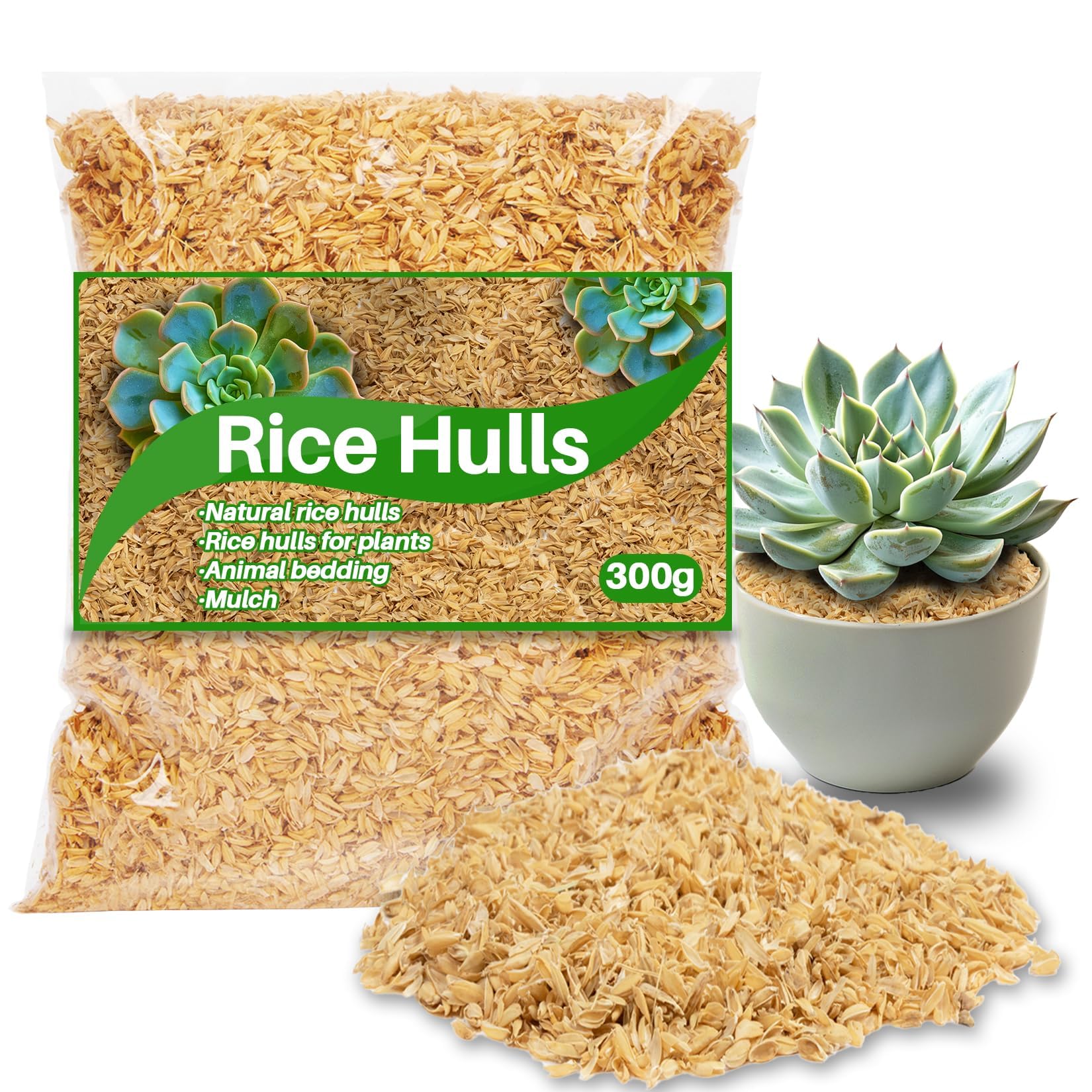
Credit: www.amazon.com
Frequently Asked Questions
What Are The Best Soil Amendments For Improving Soil Structure?
Organic matter like compost, manure, and peat moss are excellent. They enhance soil aeration, moisture retention, and nutrient availability. Adding gypsum helps break up clay soils. Choose amendments based on your soil type and plant needs for best results.
How Often Should Soil Amendments Be Applied?
Apply soil amendments once or twice a year, typically in spring or fall. Regular addition improves soil health over time. Avoid over-application to prevent nutrient imbalances or runoff. Test soil annually to adjust amendment frequency and type as needed.
Can Soil Amendments Fix Compacted Soil Effectively?
Yes, organic amendments loosen compacted soil by improving structure and aeration. Gypsum also helps break clay compaction. Combining physical loosening methods like tilling with amendments yields the best results. Consistent application gradually restores healthy soil texture.
When Is The Best Time To Apply Soil Amendments?
Apply soil amendments during early spring or fall before planting. This timing allows amendments to integrate and improve soil structure. Avoid applying amendments during extreme heat or drought to ensure better absorption and microbial activity.
Conclusion
Applying soil amendments improves soil structure and plant health. Use organic matter like compost to add nutrients and moisture. Work amendments evenly into the soil for best results. Regular care keeps soil loose and rich over time. Healthy soil helps plants grow stronger and resist disease.
Small steps lead to big changes in your garden’s soil. Keep testing your soil and adjust amendments as needed. Good soil means a better garden and happier plants. Start today, and watch your soil improve steadily.