
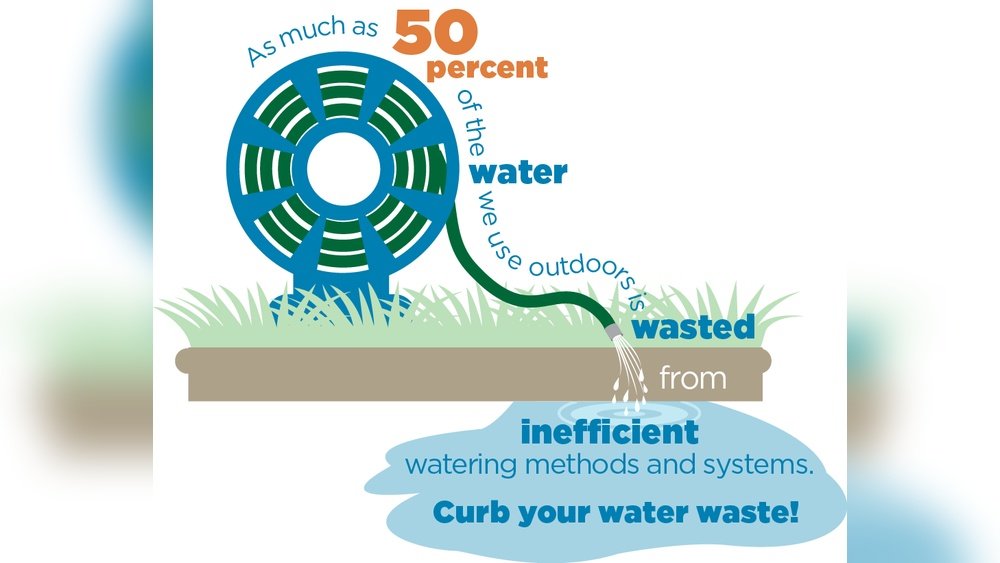
You want a lush, green lawn without draining your water bill or harming the environment. But how can you keep your grass healthy while using less water?
The secret lies in smart lawn care techniques that save water and boost your lawn’s resilience. You’ll discover simple, practical tips to reduce water usage for your lawn—whether you’re in Austin, Texas, or anywhere else. From mowing habits to watering schedules, these easy changes will help you maintain a beautiful yard while conserving one of our most precious resources.
Keep reading to learn how you can make your lawn care routine both eco-friendly and effective.
Water-wise Lawn Mowing
Water-wise lawn mowing helps reduce water use while keeping grass healthy. Proper mowing practices improve lawn strength and water retention. Mowing with care reduces stress on grass and saves water over time.
Follow The One-third Rule
Never cut more than one-third of the grass blade height at once. Cutting too much shocks the grass and wastes energy. This rule helps grass grow strong roots and stay green longer. Healthy roots hold water better, needing less irrigation.
Handle Tall Grass Safely
If grass is very tall, lower the mower to its highest setting first. Mow once, then let clippings dry on the lawn. After drying, lower the mower and mow again in a different direction. This method avoids damaging grass and protects water retention.
Benefits Of Proper Mowing
- Reduces Stress: Grass uses less energy on regrowth, saving water.
- Builds Strong Roots: More leaf surface means better photosynthesis.
- Weed & Pest Control: Thick grass fights weeds and pests naturally.
- Prevents Scalping: Keeps the grass crown safe, avoiding dead spots.
Smart Irrigation Techniques
Smart irrigation techniques help cut water use while keeping your lawn healthy. These methods focus on watering the grass just right. Not too much. Not too little. They save water and improve lawn growth. Using smart irrigation means less waste and a greener yard.
Water Deeply But Infrequently
Watering deeply encourages roots to grow down into the soil. This helps grass survive dry times. Water less often, but give enough to soak six inches deep. Shallow watering makes roots stay near the surface, which is bad for drought resistance. Deep watering means healthier, stronger grass with less water.
Adjust Watering Based On Soil Type
Soil type changes how much and how fast water soaks in. Sandy soil drains quickly and needs more frequent watering. Clay soil holds water longer and needs less water. Know your soil type to avoid overwatering or underwatering. Adjust your watering plan to fit your soil and save water.
Best Times To Water
Water your lawn early in the morning to reduce evaporation. Cooler temperatures mean less water loss. Avoid watering in the heat of the day or at night. Morning watering helps grass absorb water better and lowers disease risk. Timing your watering right saves water and keeps grass healthy.
Soil And Grass Health
Healthy soil and strong grass are key to reducing water use in lawn care. Good soil holds moisture and nutrients well. Strong grass roots reach deeper to find water. Together, they help your lawn survive dry spells with less watering. Focusing on soil and grass health saves water and keeps your lawn green.
Encourage Deep Root Growth
Deep roots help grass get water from far below the surface. Water your lawn less often but more deeply. This trains roots to grow down instead of staying near the top. Aerate your soil to reduce compaction. Loose soil lets roots grow easily. Avoid cutting grass too short. Longer blades protect roots and soil moisture.
Choose Drought-tolerant Grass
Select grass types that need less water. Varieties like Bermuda, Buffalo, and Zoysia thrive in dry conditions. These grasses survive better with less irrigation. They also recover faster after drought. Planting drought-tolerant grass reduces your lawn’s water needs. It helps keep your yard green naturally.
Use Mulching To Retain Moisture
Mulch covers soil, keeping water from evaporating quickly. Spread grass clippings or organic mulch around plants and bare soil. Mulching lowers soil temperature and slows moisture loss. It also controls weeds that compete for water. Use mulch to protect your lawn during hot, dry days. This simple step cuts water use and improves soil health.

Credit: www.reddit.com
Water Leak Prevention
Water leak prevention plays a key role in reducing water use for lawn care. Leaks waste water and raise your water bill. Fixing leaks keeps water where it belongs—nourishing your lawn.
Small drips can add up to gallons of wasted water every day. Checking your irrigation system often helps catch leaks early. Proper maintenance saves water and keeps your lawn healthy.
Fix Drips And Running Fixtures
Look for dripping faucets and running toilets near your lawn area. These leaks waste water even if they seem small. Replace worn washers or faulty parts quickly. Tighten any loose connections to stop leaks.
Check hose connections and outdoor taps for slow drips. Use waterproof tape or seals if needed. Fixing these leaks prevents water loss and helps keep your lawn green.
Check Irrigation Systems Regularly
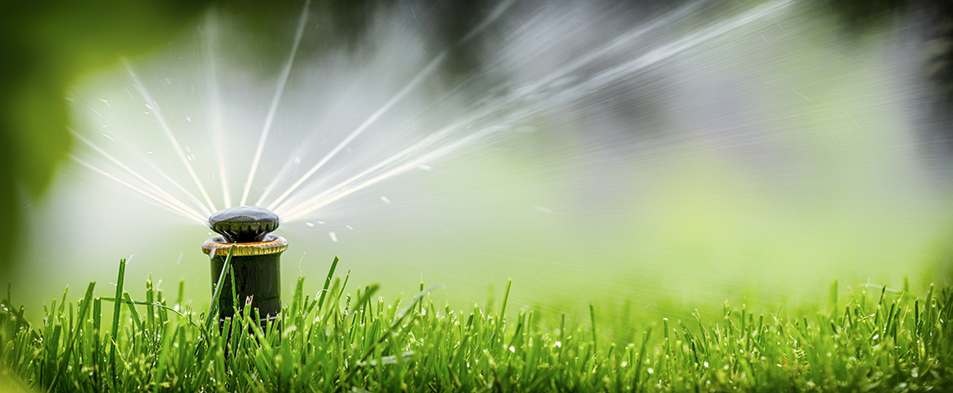
Inspect sprinkler heads and drip lines for leaks or blockages. Broken or misaligned heads waste water by spraying sidewalks or driveways. Clean clogged nozzles and adjust sprinkler direction to target plants only.
Test your irrigation timer and settings to avoid overwatering. Replace cracked pipes or worn valves as soon as possible. Regular checks keep your system efficient and save water in the long run.
Water-efficient Lawn Tools
Water-efficient lawn tools help save water while keeping your grass healthy. Using the right tools reduces waste and improves watering accuracy. This supports a greener lawn with less water use. Choosing efficient tools makes lawn care easier and more eco-friendly.
Select Low-flow Sprinklers
Low-flow sprinklers use less water than traditional ones. They release water slowly, allowing better soil absorption. This reduces runoff and evaporation. These sprinklers cover your lawn evenly without overwatering. They are ideal for dry climates and help conserve water.
Use Smart Timers And Sensors
Smart timers control watering schedules based on weather and soil moisture. Sensors detect when the soil is dry and trigger watering only then. This prevents watering during rain or when the lawn is already moist. Smart systems save water by giving your lawn exactly what it needs.
Natural Lawn Care Practices
Natural lawn care practices help save water and keep grass healthy. These methods improve soil and plant health without relying on harsh chemicals. They encourage deep roots and reduce the need for frequent watering. Using organic materials supports the soil’s ability to hold moisture. This means your lawn stays green longer with less water.
Apply Organic Mulch
Organic mulch covers the soil around grass and plants. It helps keep the soil cool and moist. Mulch reduces evaporation, so your lawn needs less watering. It also prevents weeds from growing. Weeds compete with grass for water and nutrients. Mulching adds nutrients to the soil as it breaks down. This creates a natural, healthy environment for grass roots.
Use Compost And Natural Fertilizers
Compost improves soil texture and water retention. It adds beneficial microbes that help plants absorb nutrients. Natural fertilizers release nutrients slowly, feeding grass over time. This reduces the risk of over-fertilizing and water pollution. Applying compost and natural fertilizers strengthens grass, making it more drought-tolerant. Healthy lawns need less water and resist pests better.
Weed And Pest Control
Controlling weeds and pests is key to reducing water use in lawn care. Weeds and pests weaken grass and make it harder to maintain a healthy lawn. A strong, healthy lawn resists weeds and pests naturally. This lowers the need for extra watering caused by damaged or stressed grass.
Good weed and pest control helps keep your lawn green with less water. It also prevents disease and reduces the need for chemical treatments. Focus on methods that build strong grass and avoid overwatering.
Maintain Dense Grass Coverage
Dense grass blocks sunlight from reaching weed seeds. This stops many weeds from growing. Thick grass also makes it harder for pests to find food. Healthy roots help grass absorb water better. This means less watering is needed.
To keep grass dense, mow regularly but never cut more than one-third of the blade height. Healthy mowing encourages strong roots and thick growth. Avoid scalping the lawn to prevent bare patches. Bare spots invite weeds and pests.
Avoid Overwatering To Prevent Disease
Overwatering creates wet conditions that help fungi and pests grow. Wet grass blades stay damp longer, which spreads disease. Disease weakens grass and raises water needs. Water deeply but less often to keep soil moist, not soggy.
Water early in the day so grass dries quickly. This reduces fungal growth and pest problems. Proper watering saves water and keeps grass healthy. Avoid frequent shallow watering that makes roots weak and invites weeds.

Credit: www.reddit.com
Behavioral Changes To Save Water
Saving water in lawn care starts with simple changes in how you behave. Adjusting watering habits helps the lawn use water more efficiently. Small steps make a big difference in water conservation and lawn health.
These behavioral changes also reduce water waste. They encourage deeper root growth and make the lawn more drought-resistant. Let’s explore key habits to reduce water usage while keeping your lawn green and healthy.
Limit Watering Frequency
Water your lawn less often but deeply. This practice encourages roots to grow deeper into the soil. Deep roots access moisture better during dry periods. Watering too often makes roots stay near the surface, causing stress when water is scarce.
One or two times per week is usually enough. Apply enough water to soak six inches into the soil. Avoid daily light watering. It wastes water and weakens the lawn’s natural defenses.
Monitor Lawn For Signs Of Stress
Watch your lawn closely for any signs of dryness or stress. Look for color changes like dull green or brown patches. Grass blades curling or folding also signal a need for water. Early detection helps prevent overwatering or underwatering.
Adjust watering based on how the lawn looks, not just the calendar. Healthy grass can tolerate short dry spells. Giving water only when needed saves significant water without harming the lawn.
Credit: lawngevity.org
Frequently Asked Questions
What Is The 1/3 Rule In Lawn Care?
The 1/3 rule in lawn care means never cutting more than one-third of the grass blade height at once. This promotes healthy growth and strong roots.
How To Use Less Water On A Lawn?
Water your lawn deeply but infrequently, about once a week. Mow high, leaving grass longer to retain moisture. Fix leaks and use efficient irrigation methods. Aerate soil to improve water absorption. Choose drought-tolerant grass types to reduce overall water needs.
What Is The 150 Rule For Grass?
The 150 rule for grass means never cut more than one-third of the grass blade height in one mowing. This protects grass health.
What Are 5 Ways To Reduce Water Usage?
Fix leaks promptly to prevent water waste. Take shorter showers to save water daily. Install low-flow showerheads and toilets. Run dishwashers and washing machines with full loads. Turn off taps while brushing teeth or shaving.
Conclusion
Reducing water use for lawn care saves money and helps the environment. Water deeply but less often to grow strong roots. Use mulch and mow properly to keep grass healthy. Choose drought-tolerant grass types for your climate. Small changes make a big difference over time.
Your lawn stays green while using less water. Start applying these tips today for a better lawn tomorrow.