
Are you tired of spending too much on store-bought fertilizers that don’t always give your garden the boost it needs? What if you could create your own natural, nutrient-rich fertilizer right at home?
Making your own fertilizer is easier than you think, and it gives your plants the perfect fuel to grow strong and healthy. You’ll discover simple, cost-effective ways to turn everyday kitchen scraps and garden waste into powerful plant food. Keep reading to unlock the secrets that will help your garden thrive like never before.

Credit: www.youtube.com
Benefits Of Homemade Fertilizer
Making your own fertilizer for garden plants offers many benefits. It supports healthy plant growth without relying on store-bought chemicals. Homemade fertilizer is simple to prepare using natural ingredients from your kitchen or yard. This approach helps you care for your garden in a cost-effective and eco-friendly way.
Cost Savings
Creating fertilizer at home saves money. Store fertilizers can be expensive over time. Using kitchen scraps and garden waste reduces the need to buy extra products. This keeps your gardening budget low and allows you to invest in other garden needs.
Environmental Impact
Homemade fertilizer reduces waste and pollution. It recycles organic materials that would otherwise go to landfills. This practice lowers the use of harmful chemicals in the soil. Your garden stays healthier, and the environment benefits from fewer toxins.
Tailoring Nutrient Content
Homemade fertilizer lets you control nutrients. Different plants need different nutrients to grow well. By adjusting ingredients, you can meet your plants’ specific needs. This customization helps your garden thrive with balanced nutrition.
Essential Nutrients For Plants
Plants need certain nutrients to grow healthy and strong. These nutrients help them build leaves, flowers, and roots. Fertilizers supply these essential elements. Understanding these nutrients helps you make your own fertilizer at home.
The three main nutrients plants need are nitrogen, phosphorus, and potassium. Each one plays a different role in plant growth. Using the right sources of these nutrients makes your homemade fertilizer effective.
Nitrogen Sources
Nitrogen helps plants grow green leaves and stems. It is vital for photosynthesis. Good nitrogen sources include composted grass clippings, coffee grounds, and manure. Blood meal is a rich nitrogen source for faster results.
Phosphorus Sources
Phosphorus supports root growth and flower development. Bone meal and rock phosphate are natural phosphorus sources. Wood ash also contains phosphorus but use it sparingly. These ingredients improve plant strength and blooming.
Potassium Sources
Potassium boosts overall plant health. It helps resist diseases and supports strong stems. Wood ash and banana peels provide potassium. Kelp meal is another excellent source. Potassium improves water use and nutrient movement.
Common Ingredients For Diy Fertilizer
Making your own fertilizer is simple and cost-effective. Using common ingredients from around your home and garden helps plants grow strong and healthy. These natural materials provide essential nutrients without harsh chemicals. Understanding which ingredients work best can improve your garden’s yield and soil quality.
Here are some common ingredients to use for DIY fertilizer that are easy to find and use safely.
Kitchen Scraps
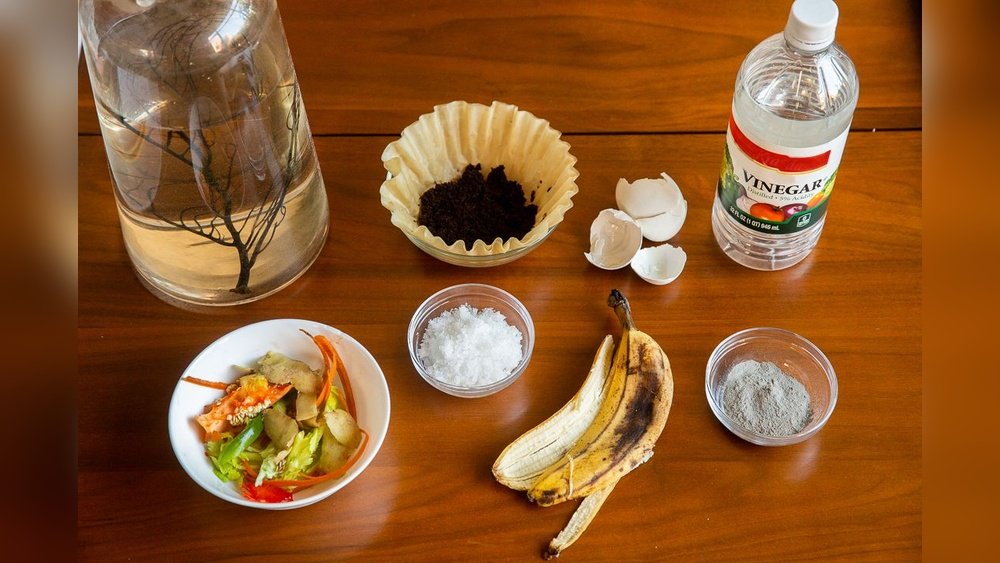
Vegetable peels, coffee grounds, and eggshells are great kitchen scraps. They contain nitrogen, phosphorus, and calcium. These nutrients help plants build leaves, roots, and flowers. Avoid meat, dairy, and oily foods to prevent pests and smells.
Garden Waste
Grass clippings, leaves, and small plant trimmings make excellent garden waste. They add organic matter and nutrients back to the soil. Chop waste into small pieces to speed up decomposition. This material helps soil retain moisture and improves texture.
Animal Manure
Manure from cows, horses, chickens, or rabbits is rich in nutrients. It boosts soil fertility and encourages healthy plant growth. Always compost manure before use to kill harmful bacteria. Fresh manure can burn plants, so use it carefully.
Commercial Additives
Sometimes, adding small amounts of commercial additives can enhance DIY fertilizer. Bone meal and blood meal supply phosphorus and nitrogen. Seaweed extract adds trace minerals and stimulates root growth. Use these additives sparingly for balanced nutrition.
Simple Recipes To Try
Making your own fertilizer saves money and helps plants grow strong. These simple recipes use items you find at home. Each one offers different nutrients for healthy gardens. Try these easy blends to feed your plants naturally.
Compost Tea
Compost tea is a liquid fertilizer full of nutrients. Fill a bucket with water and add a handful of compost. Let it sit for 2 to 3 days. Stir it once a day to mix nutrients well. Strain the liquid and pour it around your plants. This tea helps roots absorb nutrients faster.
Banana Peel Fertilizer
Banana peels are rich in potassium and phosphorus. Chop peels into small pieces. Bury them in the soil near plant roots. They slowly release nutrients as they break down. You can also soak peels in water for 24 hours. Use the water to water your plants for a quick boost.
Eggshell Powder Mix
Eggshells add calcium, which strengthens plant cells. Rinse and dry eggshells completely. Crush them into a fine powder using a blender or mortar. Sprinkle the powder around your plants’ base. This mix prevents diseases and supports strong stems. Use it regularly for best results.
Coffee Ground Fertilizer
Used coffee grounds provide nitrogen for leafy growth. Dry the coffee grounds before use. Mix them into garden soil or compost pile. Avoid using too much, as it can make soil acidic. Coffee grounds improve soil texture and attract earthworms. This natural fertilizer supports healthy plant development.
Step-by-step Preparation
Making your own fertilizer helps your garden grow healthy and strong. Follow these clear steps to prepare natural fertilizer at home. This method is simple and saves money.
Gathering Materials
Start by collecting organic waste. Use vegetable scraps, fruit peels, coffee grounds, and eggshells. Avoid meat, dairy, and oily foods. Also, gather dry leaves, grass clippings, and small twigs. These materials provide nutrients for your plants.
Mixing And Composting
Layer green and brown materials in a compost bin or pile. Green materials are wet and rich in nitrogen. Brown materials are dry and add carbon. Turn the pile every few days to add air. Keep it moist but not soaking wet. After a few weeks, the mix will turn dark and crumbly. This means it is ready to use.
Application Techniques
Apply the fertilizer by mixing it into garden soil. Spread a thin layer around the base of your plants. Avoid piling it against stems to prevent rot. Water the soil after applying to help nutrients soak in. Use this fertilizer every few weeks for best results.
Tips For Effective Use
Using homemade fertilizer correctly helps plants grow healthy and strong. It also saves money and protects the environment. Follow simple tips for the best results. Proper use avoids common mistakes and keeps your garden thriving.
Frequency Of Application
Apply fertilizer once every two to four weeks. Overuse can harm plants. Check plant needs based on growth and season. Younger plants may need more frequent feeding. Mature plants require less frequent application.
Avoiding Overfertilization
Too much fertilizer can burn roots and damage leaves. Use small amounts each time. Watch for yellow or brown leaf tips. These signs show overfertilization. Water plants well after applying fertilizer to prevent buildup.
Storage And Shelf Life
Store fertilizer in a cool, dry place. Keep it away from direct sunlight and moisture. Seal containers tightly to keep fertilizer fresh. Homemade fertilizer usually lasts up to three months. Use it before it loses nutrients.
Troubleshooting Common Issues
Making your own fertilizer is rewarding but can bring challenges. Some common problems might appear during the process. Knowing how to fix these issues helps keep your garden healthy. Troubleshooting is key for success.
Unpleasant Odors
Bad smells often mean poor airflow in your compost or fertilizer mix. Turn the pile regularly to add oxygen. Avoid adding too many wet or green materials at once. Balance with dry, brown materials like leaves or straw. This helps reduce odor and speeds up decomposition.
Pest Attraction
Fertilizer piles can attract pests like rodents or flies. Avoid using meat, dairy, or oily foods in your mix. Cover your compost with a lid or tarp to keep pests out. Keep the area clean and remove any exposed food scraps quickly. This lowers the chance of unwanted visitors.
Nutrient Imbalance
Too much nitrogen or phosphorus can harm plants. Use a mix of green and brown materials for balance. Test your homemade fertilizer with a simple soil test kit. Adjust ingredients based on test results for best plant growth. Proper balance ensures your plants get the nutrients they need.

Credit: www.youtube.com

Credit: lomi.com
Frequently Asked Questions
What Ingredients Are Best For Homemade Garden Fertilizer?
Use kitchen scraps, compost, manure, and eggshells. These provide essential nutrients like nitrogen, phosphorus, and potassium. Combining these boosts soil health and plant growth naturally.
How Often Should I Apply Homemade Fertilizer To Plants?
Apply homemade fertilizer every 3 to 4 weeks during the growing season. This frequency supports steady nutrient supply and promotes healthy, vigorous plant development.
Can Homemade Fertilizer Replace Commercial Fertilizers Completely?
Homemade fertilizer can reduce dependence on commercial options but may not fully replace them. It’s ideal for organic gardening and improves soil fertility gradually.
Is Homemade Fertilizer Safe For All Types Of Garden Plants?
Yes, homemade fertilizer is safe for most garden plants. However, adjust ingredient types and amounts based on plant needs for optimal results.
Conclusion
Making your own fertilizer helps plants grow strong and healthy. It saves money and uses natural materials. You control what goes into your garden soil. Simple ingredients like kitchen scraps and yard waste work well. Regular feeding keeps plants green and blooming.
Try different recipes to see what fits your garden best. Healthy soil means happy plants and better harvests. Start today and watch your garden thrive with homemade fertilizer. Easy, natural, and effective—your plants will thank you.