
The green color of a healthy lawn can catch your eye and make your yard look beautiful. But keeping grass thick, lush, and strong is not always easy. Many homeowners struggle with patchy lawns, weak growth, or yellow spots—even after using regular fertilizers. If you’re searching for a natural solution that works, sea kelp fertilizer could be your answer.
Sea kelp is a type of seaweed found in oceans around the world. It’s packed with nutrients and growth stimulants that help plants thrive. Unlike chemical fertilizers, sea kelp is gentle, eco-friendly, and can boost soil health over time. More and more lawn owners are discovering how sea kelp makes their grass greener, roots stronger, and lawns more resistant to drought and disease.
In this guide, you’ll learn everything about using sea kelp fertilizer on your lawn—from how it works, to step-by-step instructions, mistakes to avoid, and practical tips for getting the best results.
What Is Sea Kelp Fertilizer?
Sea kelp fertilizer is made from kelp, a large brown seaweed that grows in cold ocean waters. Kelp absorbs minerals and trace elements from the sea, making it one of the most nutrient-rich plants in nature. When kelp is harvested and processed, it’s turned into a fertilizer that can be applied to lawns, gardens, and farms.
Unlike synthetic fertilizers, kelp fertilizer is organic and safe for pets and children. It contains a wide range of nutrients like:
- Nitrogen
- Potassium
- Phosphorus
- Magnesium
- Calcium
- Iron
- Zinc
- Manganese
- Boron
But the real power of kelp fertilizer comes from its plant hormones—such as auxins, cytokinins, and gibberellins—which trigger growth and help plants recover from stress. These hormones are rarely found in regular fertilizers.
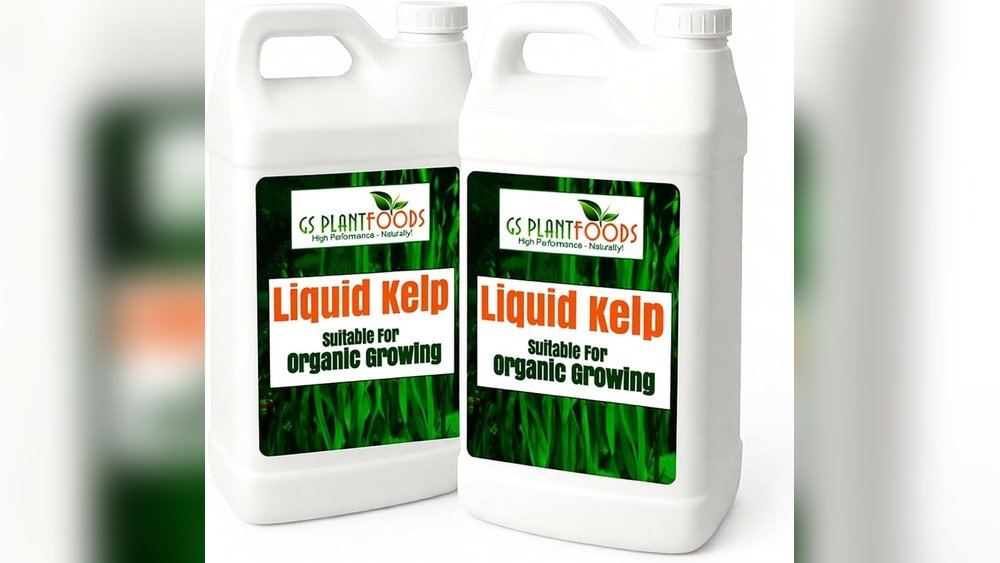
Kelp fertilizer is available in several forms:
- Liquid extracts (most common)
- Powders
- Granules
Liquid sea kelp fertilizer is easy to mix and spray, while powders and granules can be sprinkled or dissolved. Each form works well, but liquid kelp is usually preferred for lawns because it’s fast-acting.
How Sea Kelp Fertilizer Helps Lawns
Sea kelp fertilizer is not just another plant food. It offers unique benefits for lawns, especially compared to traditional fertilizers. Here’s what makes it special:
Boosts Lawn Growth
Kelp helps grass grow faster and thicker. The natural hormones in kelp stimulate cell division and elongation, so your lawn fills in bare spots more quickly. Many users notice visible improvement within two to three weeks after application.
Improves Root Strength
Strong roots are key to a healthy lawn. Kelp fertilizer encourages deeper root growth, which makes grass more resistant to drought, heat, and soil compaction. Studies show that lawns treated with kelp have roots up to 30% deeper than those fed only with chemical fertilizer.
Enhances Disease Resistance
Grass often suffers from diseases like brown patch, dollar spot, and rust. Sea kelp’s micronutrients and plant hormones help grass recover from stress and fight off pathogens naturally. This means fewer yellow patches and more consistent color.
Increases Nutrient Uptake
Kelp acts as a “chelator”—it helps grass absorb nutrients from the soil more efficiently. Even if your soil is low in minerals, kelp fertilizer can improve uptake and make the most of what’s available.
Supports Soil Health
Healthy soil is the foundation of a great lawn. Sea kelp promotes beneficial microbes, increases organic matter, and balances soil pH. Over time, this results in a softer, richer soil that supports thick grass.
Reduces Environmental Impact
Synthetic fertilizers can cause runoff and pollute waterways. Kelp fertilizer is biodegradable and safe for local wildlife. It helps maintain an eco-friendly lawn without harming the environment.
Choosing The Right Sea Kelp Fertilizer
Not all kelp fertilizers are the same. Some products are pure kelp, while others mix kelp with fish emulsion or other ingredients. When picking a fertilizer for your lawn, consider these factors:
Types Of Kelp Fertilizer
- Liquid kelp extract: Easy to apply, quick results, ideal for lawns.
- Kelp meal or granules: Slow-release, good for soil improvement, often used in gardens.
- Kelp powder: Can be mixed with water or sprinkled directly, less common for lawns.
Purity And Concentration
Check the label for the percentage of kelp content. Pure kelp fertilizers give better results. Some products dilute kelp with cheap fillers—avoid these if possible.
Added Ingredients
Some brands add fish emulsion or other organic nutrients. While this can help, it’s important to know what you’re applying. If you want a simple, natural approach, choose pure kelp.
Application Ease
Look for products that are easy to mix and spray. Ready-to-use liquids save time, while powders may require more effort.
Price And Coverage
Calculate how much area the product covers. A small bottle may be enough for a small lawn, but bigger yards need larger quantities. Compare price per square foot, not just per bottle.
Here’s a quick comparison of common kelp fertilizer types:
| Type | Application | Speed | Best for |
|---|---|---|---|
| Liquid Extract | Spray/mix | Fast | Lawns |
| Granules | Spread | Slow | Gardens |
| Powder | Mix/spread | Medium | Lawns/Gardens |
How To Apply Sea Kelp Fertilizer To Your Lawn
Applying sea kelp fertilizer isn’t difficult, but you’ll get the best results by following a few simple steps. Here’s a practical guide:
Step 1: Check Lawn Condition
Before applying fertilizer, inspect your lawn for:
- Bare spots
- Yellowing or thinning
- Signs of disease or stress
Knowing your lawn’s current state helps you decide how much kelp to use and how often to apply.
Step 2: Choose The Right Time
Kelp fertilizer works best when grass is actively growing. In most US regions, this means spring and early summer. Avoid applying during winter or extreme heat, when growth slows down.
Early morning or late afternoon is ideal. Applying during midday heat can stress the grass.
Step 3: Mow And Water (if Needed)
Mow your lawn to a medium height before applying kelp. Avoid cutting too short—this stresses the grass. Water the lawn lightly if the soil is dry. Damp soil helps kelp absorb better.
Step 4: Mix The Fertilizer
If using liquid kelp:
- Follow label instructions for dilution (usually 1–2 ounces per gallon of water)
- Use a clean sprayer or watering can
If using powder or granules:
- Apply directly to soil or mix with water as directed
Step 5: Apply Evenly
Spray or spread kelp fertilizer evenly across the lawn. Move in straight lines or a grid pattern to avoid missed spots.
For liquid sprays:
- Walk at a steady pace
- Overlap slightly to ensure full coverage
For granules:
- Use a broadcast spreader for even distribution
Step 6: Water After Application
After applying kelp, water the lawn lightly. This helps nutrients soak into the soil and reach the roots.
Step 7: Repeat As Needed
Most lawns benefit from kelp fertilizer every 4–6 weeks during the growing season. Check the product label for specific timing.
Overuse is not helpful—too much kelp can waste money and cause minor nutrient imbalances.
Here’s a sample schedule for a typical US lawn:
| Month | Application Frequency |
|---|---|
| March–April | Every 4 weeks |
| May–August | Every 4–6 weeks |
| September–October | Once before winter |
Practical Tips For Maximum Results
Using sea kelp fertilizer is simple, but a few expert tips can make your lawn even better:
Combine With Other Organic Fertilizers
While kelp is rich in micronutrients and hormones, it’s not always high in nitrogen, which grass needs for rapid growth. You can combine kelp with compost, fish emulsion, or organic lawn fertilizer for balanced nutrition.
Test Your Soil
A soil test reveals what nutrients your lawn needs most. If your soil is already high in potassium or phosphorus, kelp can supplement micronutrients without causing excess.
Adjust For Weather
During dry spells, kelp helps grass stay green, but watering is still important. In rainy seasons, kelp can boost resistance to fungal diseases.
Avoid Overapplication
More isn’t always better. Stick to recommended rates. Overusing kelp can lead to nutrient buildup and may even slow growth.
Use Proper Sprayers
For liquid kelp, use a high-quality garden sprayer. Cheap sprayers can clog or spray unevenly, leading to patchy results.
Watch For Color And Growth Changes
After applying kelp, monitor your lawn weekly. Look for:
- Greener color
- Faster growth
- Fewer disease spots
If you don’t see improvement after two applications, check your soil and watering routine.
Common Mistakes To Avoid
Even though sea kelp fertilizer is safe and simple, some mistakes can limit its effectiveness. Here’s what to watch for:
1. Applying During Dormant Periods
Grass needs to be growing to absorb kelp. Avoid using it in winter or extreme heat.
2. Ignoring Dilution Instructions
Too strong a mix can burn grass, while too weak won’t help. Always follow label directions.
3. Skipping Watering
Kelp needs moisture to move into the soil. Dry lawns won’t benefit as much.
4. Uneven Application
Missing spots leads to uneven color and growth. Take your time to cover the whole lawn.
5. Using Old Or Expired Product
Kelp fertilizers can lose potency over time. Check expiration dates.
6. Mixing With Chemical Fertilizers
Some chemicals can react with kelp and reduce its effectiveness. If you use both, apply them at least one week apart.
7. Neglecting Soil Health
Kelp works best in healthy soil. If your soil is compacted or depleted, aerate and add organic matter before applying kelp.
Credit: thelawncarenut.com
Sea Kelp Vs. Traditional Lawn Fertilizer
Many people wonder how sea kelp stacks up against regular lawn fertilizers. Here’s a quick comparison:
| Feature | Sea Kelp Fertilizer | Traditional Fertilizer |
|---|---|---|
| Source | Natural seaweed | Chemical/mineral |
| Key Nutrients | Micronutrients, hormones | Nitrogen, phosphorus, potassium |
| Environmental Impact | Eco-friendly | Can cause runoff |
| Safety | Safe for pets/children | Some risk |
| Speed | Medium | Fast |
| Soil Health | Improves over time | May degrade |
| Cost | Medium | Low to medium |
Sea kelp fertilizer is not a direct replacement for all lawn needs. For best results, use it as part of a balanced lawn care plan.
Real-world Results And Statistics
Many studies and lawn owners report strong results with sea kelp fertilizer:
- Lawns treated with kelp see up to 25% faster recovery from drought and stress.
- After 2–3 applications, most users report deeper green color and fewer disease spots.
- Kelp-treated grass roots are up to 30% deeper compared to lawns using only chemical fertilizer.
- In trials, kelp fertilizer improved soil microbial activity by 40% within three months.
These numbers show that sea kelp fertilizer is not just a trend—it offers real benefits for lawn health and resilience.
Non-obvious Insights Beginners Miss
Kelp Is A Growth Stimulant, Not A Complete Fertilizer
Many beginners assume kelp will replace all lawn fertilizers. In reality, kelp is best as a supplement, not a complete food. Its main value is stimulating growth and improving stress resistance—not providing large amounts of nitrogen.
Timing And Consistency Matter More Than Amount
Applying kelp at the right time (when grass is actively growing) is much more important than using large amounts. Consistency—every 4–6 weeks—is key for lasting results.
Sea Kelp Fertilizer For Different Lawn Types
Not all lawns are the same. Here’s how kelp works for different grass types:
Cool-season Grasses (fescue, Bluegrass, Ryegrass)
These grasses respond well to kelp in spring and early summer. Kelp helps them recover from winter stress and fill in bare spots.
Warm-season Grasses (bermuda, Zoysia, St. Augustine)
Kelp is ideal for these grasses from late spring to early fall, supporting fast growth and heat resistance.
Shady Lawns
Shaded lawns often grow slowly. Kelp can help by improving root strength and boosting growth in low-light conditions.
High-traffic Lawns
Lawns used for play, pets, or gatherings suffer from compaction and wear. Kelp helps repair damage and strengthen roots.
Is Sea Kelp Fertilizer Safe?
Safety is a top concern for families with pets and children. Sea kelp fertilizer is considered one of the safest lawn products:
- It’s biodegradable and non-toxic.
- Dogs, cats, and wildlife can walk on treated lawns after application.
- No risk of chemical burns or residue.
Still, always follow product directions. If mixing with other fertilizers, check compatibility.
Buying And Storing Sea Kelp Fertilizer
When buying kelp fertilizer:
- Choose reputable brands with clear labeling.
- Avoid cheap products with unclear ingredients.
Store kelp fertilizer in a cool, dry place. Liquid kelp lasts up to one year if sealed. Powders and granules can last longer, but always check expiration dates.
Credit: www.lawnstarter.com
Environmental Benefits Of Using Sea Kelp
Sea kelp fertilizer supports sustainable gardening:
- Kelp is harvested from renewable ocean sources.
- Using kelp reduces reliance on chemical fertilizers, which cause pollution.
- Kelp improves soil health and reduces erosion.
For eco-conscious homeowners, kelp is a smart choice that protects local waterways and wildlife. For more details on kelp’s environmental impact, visit Wikipedia.
Frequently Asked Questions
How Often Should I Apply Sea Kelp Fertilizer To My Lawn?
Apply sea kelp fertilizer every 4–6 weeks during the growing season. For most US lawns, this means March to October. Avoid using kelp during winter or when grass is dormant.
Can I Use Sea Kelp Fertilizer With Other Lawn Products?
Yes, but don’t mix kelp with chemical fertilizers in the same application. Apply kelp at least one week apart from chemical products. Kelp works well with compost and organic fertilizers.
Will Sea Kelp Fertilizer Fix Brown Patches Or Dead Spots?
Sea kelp can help grass recover from stress and disease, but it won’t bring dead grass back to life. For brown patches, combine kelp with overseeding and proper watering.
Is Sea Kelp Fertilizer Safe For Pets And Children?
Yes, sea kelp fertilizer is safe for pets and children when used as directed. It’s non-toxic and biodegradable. Always let the lawn dry after application before allowing heavy traffic.
What’s The Difference Between Liquid And Granular Kelp Fertilizers?
Liquid kelp is fast-acting and easy to spray, ideal for lawns. Granular kelp is slow-release and works well for gardens or soil improvement. Both are effective, but liquid is preferred for quick lawn results.

Credit: www.amazon.com
Bringing It All Together
A healthy, vibrant lawn doesn’t need harsh chemicals or complicated routines. By using sea kelp fertilizer, you give your grass the best natural boost—supporting growth, root strength, and resilience. Whether your lawn is struggling or you just want greener grass, kelp offers a simple, eco-friendly solution.
Remember to apply kelp during active growth, follow product directions, and combine with other organic fertilizers for best results. With regular care, your lawn will reward you with deep green color, soft texture, and lasting health—all while protecting the environment.
If you’re looking for a smarter, safer way to care for your lawn, sea kelp fertilizer is worth trying.