
Last updated: October 2026 · Written by the LawnVibe editorial team.
Nothing makes a lawn look more professionally cared for than crisp, alternating stripes like a baseball field. The good news is that you do not need special grass or a commercial mower to get them. A striping kit, which attaches a weighted roller or flap behind your mower deck, bends the grass in the direction you mow and makes stripes far more visible. This guide compares the best lawn striper kit options for push mowers and zero-turns and explains how to mow stripes, checkerboards and other patterns.
Our picks are based on published product information and compatibility details, not on hands-on testing. Always check that a kit fits your mower's deck size and model before buying.
Our Top Picks
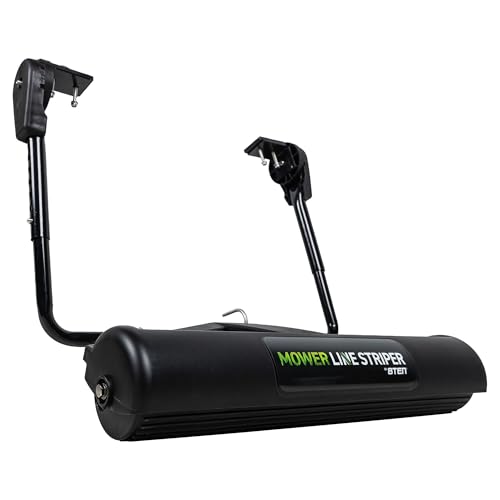
8TEN Lawn Striper Kit for Push Mowers
Best for: Most 20- to 22-inch push mowers
A universal striping kit designed for most 20- to 22-inch residential push and walk-behind mowers, with adjustable mounting to fit a wide range of brands.
- Fits many 20-22 inch mowers
- Adjustable mounting
- Simple bolt-on install
- Check deck compatibility
- Not for riding mowers
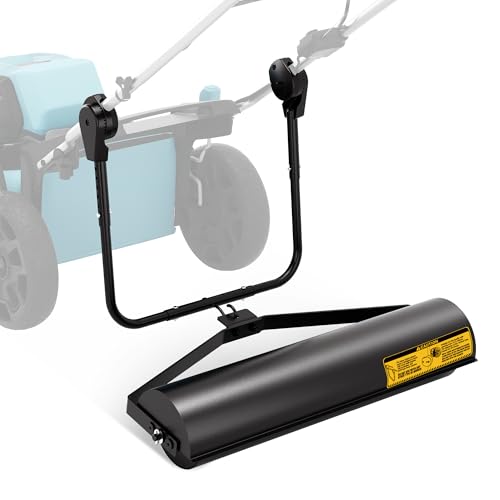
Suchtale Lawn Striping Kit
Best for: Homeowners wanting a ballpark look
A DIY striping kit for walk-behind mowers aimed at creating classic, ballpark-style stripes with a weighted roller behind the deck.
- Pronounced stripe effect
- DIY installation
- Durable construction
- Adds weight to the mower
- Compatibility varies by model

Universal Lawn Striping Kit
Best for: Mixed mower brands in one household
A universal kit that comes with mounting hardware to fit a range of mowers, a flexible option if you are not sure which brand-specific kit to buy.
- Broad compatibility
- Complete hardware kit
- Good value
- Fit may need adjustment
- Less tailored than brand kits

Lawn Striping Kit for EGO 21-Inch Mowers
Best for: EGO 21-inch push mowers
A striping kit made specifically for EGO 21-inch push mowers, with a heavy-duty roller designed to fit that deck shape cleanly.
- Made for EGO 21-inch decks
- Heavy-duty roller
- Clean fit
- EGO-specific
- Not for other brands

ATRACYPART Striping Kit for Zero-Turn Mowers
Best for: 50- to 60-inch zero-turn mowers
A striping kit for 50-, 54- and 60-inch zero-turn decks, listed as compatible with models from brands such as Cub Cadet and Troy-Bilt.
- Fits large zero-turn decks
- Wide stripes on big lawns
- OEM-style design
- Check exact model fit
- Riders only
Comparison Table
| # | Product | Best for | Link |
|---|---|---|---|
| 1 | 8TEN Lawn Striper Kit for Push Mowers | Most 20- to 22-inch push mowers | Check price |
| 2 | Suchtale Lawn Striping Kit | Homeowners wanting a ballpark look | Check price |
| 3 | Universal Lawn Striping Kit | Mixed mower brands in one household | Check price |
| 4 | Lawn Striping Kit for EGO 21-Inch Mowers | EGO 21-inch push mowers | Check price |
| 5 | ATRACYPART Striping Kit for Zero-Turn Mowers | 50- to 60-inch zero-turn mowers | Check price |
A Closer Look at Each Pick
8TEN Lawn Striper Kit, best overall. Designed for most 20- to 22-inch residential push and walk-behind mowers with adjustable mounting, which makes it a sensible first choice for typical home lawns.
Suchtale striping kit. Aimed at bold, ballpark-style stripes with a weighted roller behind the deck.
Universal striping kit. Includes hardware for a range of mowers, a flexible option if you own more than one mower or are unsure of compatibility.
EGO 21-inch striping kit. Built specifically for EGO 21-inch push mowers, so it fits the deck shape cleanly.
ATRACYPART zero-turn kit. Fits 50- to 60-inch zero-turn decks for wide, dramatic stripes on large lawns.
How Lawn Stripes Work
Stripes are an optical effect. When grass blades bend away from you, their lighter-colored, sunlit sides face you and the stripe looks lighter. When they bend toward you, you see the shaded side and tips, and the stripe looks darker. A striping kit's roller or flap bends grass more firmly in the direction of travel, so the effect is stronger and lasts longer than mowing alone.
How to Mow Stripes Step by Step
1. Mow the perimeter. Make two passes around the edge of the lawn to create a turning area.
2. Pick a straight reference. Start along a straight edge such as a driveway or sidewalk, or run a string line for your first pass.
3. Mow straight lines. Mow back and forth in straight, slightly overlapping rows, alternating direction each time.
4. Turn on the perimeter. Make turns on the header strip, raising the mower slightly if needed, so turns do not disrupt the stripes.
5. Finish with a perimeter pass. A final lap around the edge cleans up turn marks.
Popular Striping Patterns
Straight stripes. The classic look, easy to mow and impressive from the street.
Checkerboard. Mow stripes in one direction, then mow again at 90 degrees. The crossing creates squares of light and dark.
Diagonal stripes. Mow at a 45-degree angle to the house or street for a dynamic look.
Diamonds. Two sets of diagonal stripes crossing each other.
Curves and waves. Gentle curves follow garden beds and look elegant, though they take practice.
Change patterns every week or two so wheels do not wear ruts and grass does not lean permanently.
How to Choose a Lawn Striper Kit
Mower compatibility
Kits are sized for deck widths and sometimes specific brands. Measure your deck and check the kit's compatibility list. Brand-specific kits usually fit best.
Roller or flap
Roller kits generally produce stronger stripes than flaps. Some kits allow adding weight for deeper stripes.
Mounting
Look for a kit that mounts without drilling, if possible, and that can be removed easily for storage or bagging.
Build quality
Steel or heavy-duty plastic rollers, sturdy brackets and quality bearings last longer.
Grass Types and Striping
Cool-season grasses such as Kentucky bluegrass, perennial ryegrass and tall fescue have flexible blades that bend and hold stripes well. Warm-season grasses such as Bermuda and zoysia are stiffer and lower-growing, so stripes are subtler, though a good kit still helps. St. Augustine and bahia stripe the least.
Installing a Striping Kit
Most kits bolt to the rear of the mower deck or to existing mounting points near the rear wheels. Disconnect the spark plug wire or remove the battery before installing. Attach the brackets loosely, position the roller so it sits just behind the deck and rests lightly on the grass, then tighten the bolts. Check that the roller does not interfere with the bag, mulch plug or rear discharge door, and that the mower still turns and adjusts height freely. Some kits allow height adjustment of the roller itself; set it so it presses the grass without lifting the mower's rear wheels.
Striping With a Riding Mower or Zero-Turn
Zero-turn kits mount behind the deck and produce wide stripes that look dramatic on large lawns. Because zero-turns pivot in place, turning at row ends can scuff turf; slow down and make three-point or wide turns on the perimeter strip. Lawn tractors can also take striping kits, but check compatibility with any bagger or attachment you use.
Striping Without a Kit
You can create stripes without a kit by mowing in straight, alternating rows, especially with a mower that has a rear roller or a full-width rear flap. Some homeowners add a weighted flap made from rubber matting or a short length of chain hung behind the deck. These DIY options produce subtler stripes than a proper roller kit and should be attached securely so nothing contacts the blade.
How Long Do Stripes Last?
Stripes typically last a few days to a week, depending on how fast your grass grows and how firmly it was bent. Each mow renews them. Rain, foot traffic and growth all soften the effect over time. Mowing the same pattern twice in a row deepens the bend and makes stripes more pronounced, but change the pattern regularly to avoid ruts and permanent lean.
Building a Lawn That Stripes Well
Stripes look best on thick, uniform, healthy turf. Overseed thin areas with a cool-season mix that includes Kentucky bluegrass or perennial ryegrass, which bend and reflect light well. Feed the lawn on a regular seasonal schedule so color is even. Water deeply and infrequently for strong roots and upright growth. Control broadleaf weeds, which break up the stripe effect. Level obvious bumps and dips so the roller presses grass evenly; a smoother surface gives cleaner lines.
Seasonal Striping Tips
In spring, grass grows quickly and stripes show well, but mow frequently to keep lines crisp. In summer heat, raise the mowing height, which also helps stripes, and avoid mowing stressed or dormant grass. In fall, stripes can be striking as cool-season grass thickens; keep leaves cleared so they do not hide the pattern. Warm-season lawns stripe best during their summer growing season and lose the effect when dormant.
Striping for Special Occasions
For parties, graduations or sports events, plan a pattern a week in advance and mow it two or three times in a row to deepen the effect. Mow the day before or the morning of the event, when stripes are freshest. A final perimeter pass and edging along beds and walks make the whole lawn look sharp.
Mowers That Stripe Without a Kit
Some walk-behind mowers come with a full-width rear roller instead of rear wheels, and these stripe naturally. Reel mowers often have rear rollers too and produce excellent stripes on fine-bladed grasses. If you are shopping for a new mower and stripes matter to you, a rear-roller design may remove the need for a kit; our guide to the best push mower covers options. For large lawns, many zero-turn mowers accept factory or aftermarket striping kits.
Maintenance for Striping Kits
Brush grass and soil off the roller after mowing, check that brackets stay tight, and lubricate roller bearings if the kit has them. Remove the kit when you need to bag heavy fall leaves or when storing the mower, so the brackets are not stressed. Inspect rubber flaps for tears and replace them when worn.
Do Stripes Help the Lawn?
Stripes are cosmetic, but the habits that produce good stripes, such as mowing taller, keeping the blade sharp, mowing regularly and alternating patterns, also support healthier turf. Alternating directions helps grass grow more upright and reduces compaction in wheel tracks.
Is a Striping Kit Worth It?
For homeowners who enjoy a manicured look, yes. A striping kit is a small, inexpensive add-on that dramatically changes how a lawn looks from the street, and it can be removed in minutes when not needed.
Striping Small Lawns
Even small front lawns look sharper with stripes. Use a straight sidewalk edge as your guide and keep rows parallel to the street for the most visible effect.
Safety Reminder
Always stop the engine or remove the battery before adjusting or cleaning a striping kit, and keep hands well away from the deck.
Photographing Your Stripes
Stripes look strongest when viewed along their length with the sun behind or beside you. Early morning and late afternoon light shows the contrast best.
Common Striping Mistakes
Mowing too short, leaving little blade to bend. Wavy lines from not using a straight reference. Turning in the middle of the lawn instead of on the perimeter. Keeping the same pattern for months, which creates ruts. Using a kit that rubs on the wheels or blocks the discharge. Striping a thin, weedy lawn, where stripes cannot show well.
Tips for Crisper Stripes
Mow at the higher end of your grass's recommended height. Keep the blade sharp for a clean cut. Mow when grass is dry. Keep the lawn thick and healthy, since thin lawns show weak stripes. Follow the same pattern for two mows, then switch. The University of Minnesota Extension mowing guide covers mowing height and frequency for healthy turf. Our guide on how to mow a lawn also explains overlapping and patterns.
The Bottom Line
The best lawn striper kit is one that fits your mower securely and uses a roller to bend grass firmly. Universal kits suit most 20- to 22-inch push mowers, brand-specific kits fit best, and zero-turn kits create wide stripes on large lawns. Mow taller, keep the blade sharp, mow straight lines, and change the pattern regularly for crisp, healthy stripes.
Frequently Asked Questions
How does a lawn striping kit work?
A striping kit adds a roller or flap behind the mower deck that bends grass blades in the direction you mow. Grass bent toward you looks darker, and grass bent away looks lighter, creating stripes.
Do I need a striping kit to stripe my lawn?
No, but it helps a lot. Mowers with rear rollers stripe naturally. A striping kit makes stripes much more visible on mowers without one.
What grass stripes best?
Cool-season grasses such as Kentucky bluegrass, perennial ryegrass and tall fescue stripe best because their blades bend easily. Warm-season grasses such as Bermuda and zoysia stripe less dramatically.
Do lawn stripes hurt the grass?
No. Striping only bends the blades. Change the stripe direction regularly so wheels do not create ruts and grass does not lean permanently one way.
How high should I mow for stripes?
Taller grass stripes better because there is more blade to bend. Mowing at the higher end of the recommended range for your grass usually gives the best stripes.