
When water is scarce, your lawn can quickly turn from green and soft to brown and dry. Drought puts real stress on grass, but that doesn’t mean you have to give up on having a healthy yard. With the right care, your lawn can survive—and even bounce back strong after dry spells.
Understanding how to adapt your lawn care during drought is the key.
This guide walks you through proven steps for protecting your grass in tough conditions. You’ll find tips that go beyond the basics, learn what most beginners get wrong, and see how small changes can make a big difference. Whether you’re a homeowner or care for lawns professionally, these tips will help you keep your yard looking its best, even when rain is rare.
Why Drought Stresses Lawns
Grass needs water to grow and stay green. During drought, there isn’t enough water in the soil, so grass struggles. The roots can dry out, and leaves may turn brown or crispy. Some types of grass handle drought better than others, but all lawns need help in dry weather.
Long periods without rain can also weaken your lawn, making it easier for weeds or pests to take over.
But drought doesn’t always mean your grass is dead. Many lawns go dormant (rest) to survive, then come back when water returns. The way you care for your lawn in these tough times decides how well it recovers.
1. Choose The Right Grass Type
Not all grass is equal when it comes to drought. Some types need lots of water, while others survive with less.
| Grass Type | Drought Tolerance | Ideal Regions |
|---|---|---|
| Bermuda | High | Warm, sunny |
| Zoysia | High | Warm, mild |
| Buffalograss | Very High | Central US, dry |
| Fescue | Medium-High | Cool, shade |
| Bluegrass | Low | Cool, moist |
For drought-prone areas, Bermuda, Zoysia, or Buffalograss are better choices. If you’re starting a new lawn or thinking about reseeding, pick a grass that fits your climate and is naturally drought-resistant.
2. Water Deeply And Infrequently
When water is limited, it’s tempting to sprinkle a little each day. But this only wets the surface and encourages shallow roots. Instead, water deeply but less often. This teaches grass roots to grow down, where the soil stays moist longer.
- Water early in the morning to reduce loss from sun and wind.
- Use about 1 inch (2.5 cm) of water per week if allowed by local rules.
- Place a cup on the lawn while watering; when it fills to 1 inch, you’ve watered enough.
Common mistake: Watering lightly every day does more harm than good during drought.
3. Mow Higher And Less Often
Cutting grass too short weakens it, especially in dry weather. Longer blades shade the soil, keeping it cooler and reducing evaporation.
- Raise your mower to its highest setting (usually 3–4 inches or 7–10 cm).
- Mow only when grass is growing, not on a fixed schedule.
- Leave the clippings on the lawn to act as mulch.
Short grass dries out quickly. Longer grass helps roots grow deeper and survive drought.
4. Feed Carefully
Fertilizing during drought can stress grass even more. When it’s dry, roots can’t use extra nutrients, and too much fertilizer can burn the lawn.
- Avoid fertilizing in the middle of a drought.
- If you must, use a slow-release fertilizer and water well after applying.
- Fertilize in early spring or fall, when grass is actively growing.
Insight: Many homeowners over-fertilize, thinking it will make grass greener. In drought, it often does the opposite.
5. Improve Soil Health
Healthy soil holds water better. Over time, compacted or poor soil can cause water to run off instead of soaking in.
- Aerate your lawn once a year to loosen soil.
- Add compost or organic matter to improve structure.
- Test your soil to check pH and nutrients.
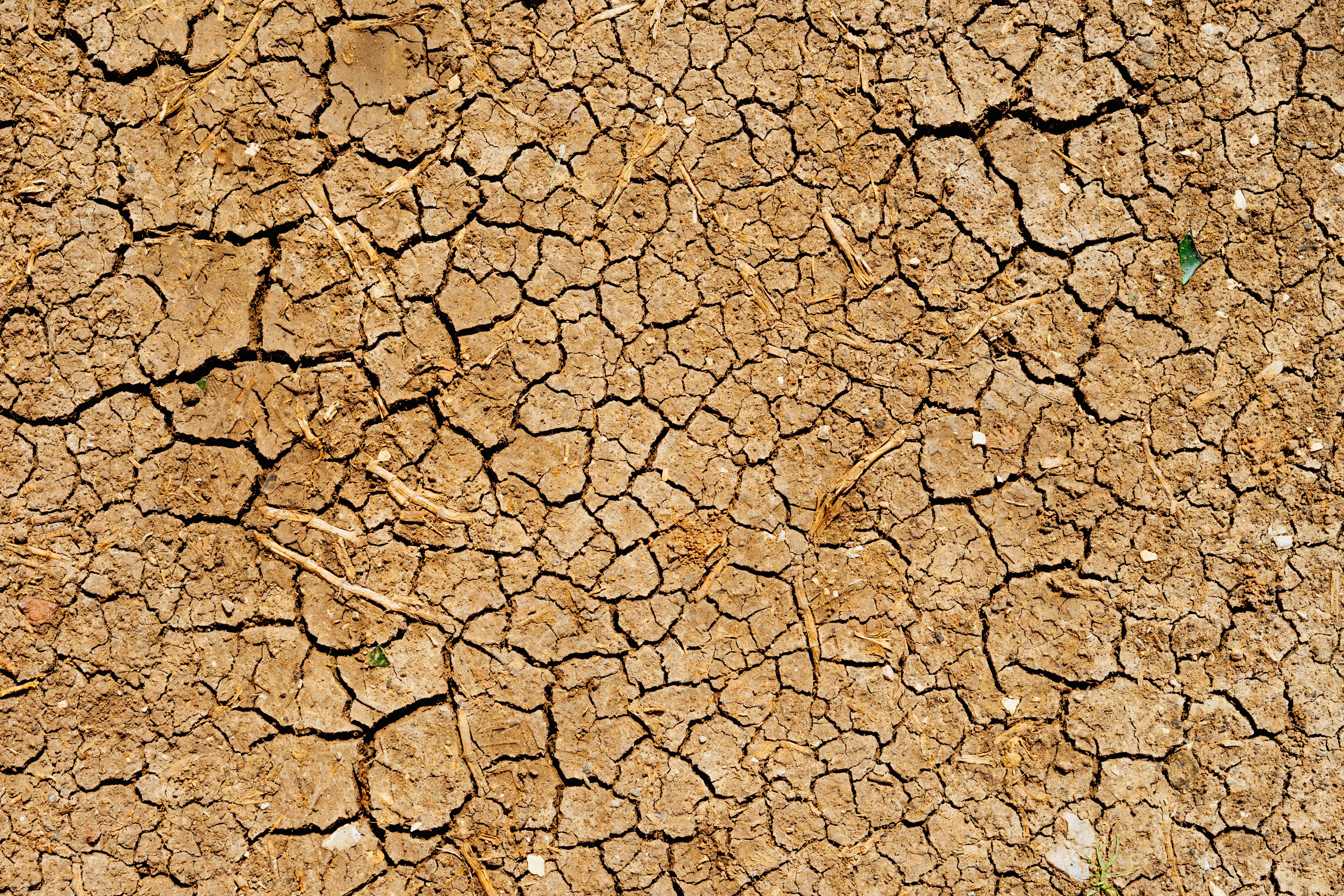
Aeration is especially helpful before a dry season. It lets water reach the roots instead of sitting on the surface.
Credit: info.supersod.com
6. Mulch And Topdress
A thin layer of mulch or compost helps keep moisture in the soil and protects roots from heat.
- Spread 1/4 inch (0.6 cm) of compost or fine mulch over the lawn in spring.
- Use grass clippings as a natural mulch after mowing.
Don’t pile mulch too thick, or it can smother the grass.
7. Control Weeds
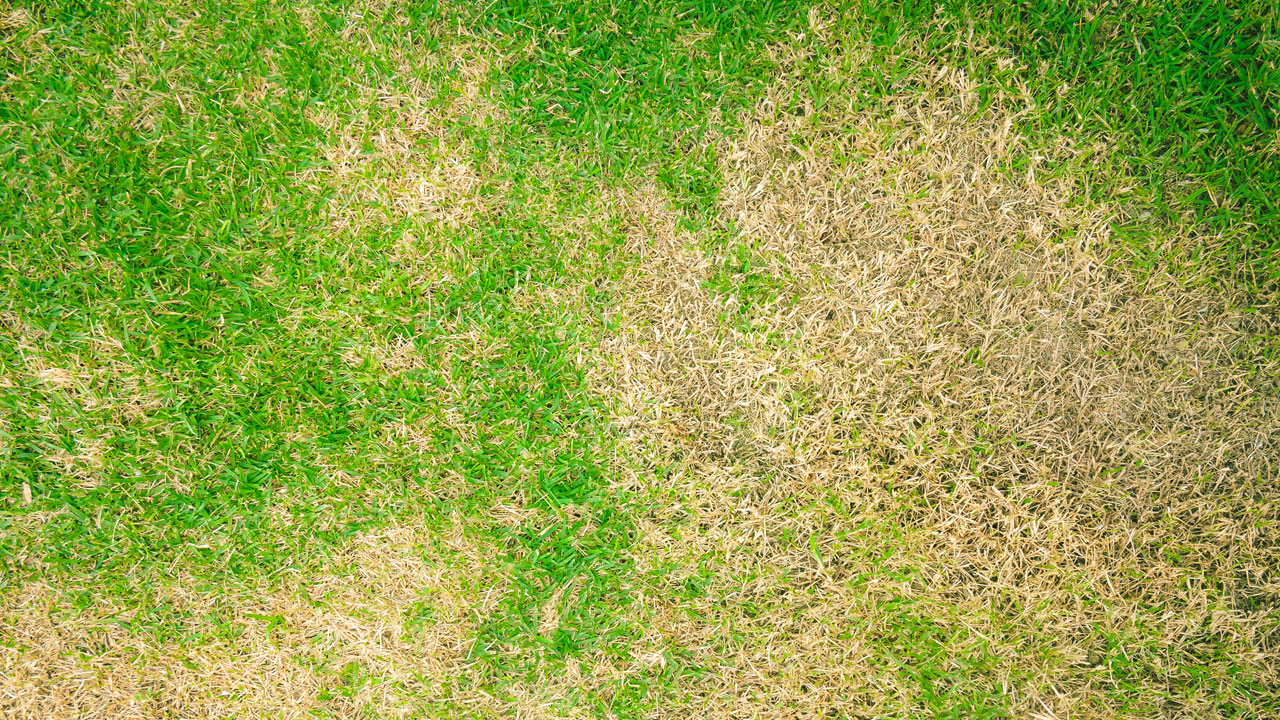
Weeds compete with grass for water. During drought, weeds often survive better than grass, taking what little moisture remains.
- Pull weeds by hand after light rain, when soil is soft.
- Spot-treat with herbicide only if weeds are out of control.
- Mow regularly to stop weeds from seeding.
Healthy, dense grass crowds out weeds naturally.
Credit: www.dripworks.com
8. Limit Foot Traffic
Walking or playing on a dry lawn can crush grass and compact soil, making it harder for water to soak in.
- Keep pets and kids off the lawn during drought.
- Move paths or play areas if possible.
Grass can recover from light traffic, but heavy use during drought can cause lasting damage.
9. Use Smart Irrigation
Modern technology makes watering more efficient. Smart controllers, drip hoses, and rain sensors can save water and money.
| System | Water Saving | Best For |
|---|---|---|
| Drip Irrigation | Up to 50% | Small areas, borders |
| Smart Sprinkler Controller | 20–30% | Large lawns |
| Rain Sensor | 10–15% | All systems |
Tip: Set your system to water only when needed, not on a fixed schedule.
10. Let Grass Go Dormant
When drought is severe, it’s better to let your lawn rest. Dormant grass turns brown but isn’t dead—it’s a survival tactic.
- Stop mowing and fertilizing during dormancy.
- Water enough (about 1/2 inch every 3–4 weeks) to keep roots alive if there’s a long drought.
When rain returns, most grasses will green up again.
11. Overseed With Drought-resistant Varieties
If parts of your lawn die, overseed with tough grasses. These can fill bare spots and make your lawn stronger for next time.
- Choose varieties known for drought survival.
- Overseed in early fall or spring for best results.
- Keep the seed moist until it sprouts.
Mixing grass types can give your lawn more resilience.
:max_bytes(150000):strip_icc()/grasses-for-low-maintenance-drought-resistant-lawns-4858746_final-8b478fa8f97241a1904bb87744568693.png)
Credit: www.treehugger.com
12. Repair Bare Or Damaged Patches
Bare spots dry out faster and invite weeds. Fix them as soon as possible.
- Rake away dead grass and loosen the soil.
- Add compost or topsoil if needed.
- Reseed or lay sod, and keep moist until established.
Don’t wait for rain—use a watering can for small repairs.
13. Shade And Wind Protection
Sun and wind dry out lawns quickly. Adding some shade or blocking wind can help grass survive.
- Plant trees or shrubs on the south and west sides of your yard.
- Use shade cloth for temporary relief in extreme heat.
- Build windbreaks with hedges or fences.
Non-obvious insight: Even a small tree can lower soil temperature and reduce water loss significantly.
14. Avoid Pesticides And Chemicals
During drought, grass is already stressed. Many chemicals can cause extra harm.
- Only treat for pests if absolutely needed.
- Try natural methods first, like removing pests by hand or using neem oil.
- Reduce all chemical use until the lawn recovers.
Healthy lawns need fewer chemicals. Focus on soil and water first.
15. Watch For Signs Of Stress
Learn to spot when your lawn is in trouble. Early action can prevent long-term damage.
Signs of drought stress:
- Grass turns bluish or gray
- Footprints stay visible after walking
- Grass blades curl or wilt
If you see these, adjust your care routine right away.
16. Collect And Reuse Water
Every drop counts in a drought. Use water from inside your home when possible.
- Set up a rain barrel to catch roof runoff.
- Collect water from washing vegetables or running the tap.
- Use a bucket in the shower to save water for the garden.
Practical tip: Always check that collected water is free from soaps or chemicals before using on grass.
17. Plan For The Future
Droughts are becoming more common in many regions. Planning ahead can save your lawn next time.
- Replace some grass areas with drought-tolerant plants or ground covers.
- Change landscaping to include rocks, mulch, or native plants.
- Regularly improve soil and overseed with tough varieties.
A diverse yard survives drought much better than a monoculture of one grass type.
18. Monitor Local Restrictions
Many cities set water rules during drought. Know the laws and avoid fines.
- Check with your local water provider for schedules and limits.
- Adapt your lawn care to fit the rules—sometimes, less is more.
Insight: Following restrictions helps your community and can teach you more efficient ways to care for your yard.
19. Use Lawn Alternatives
If maintaining a green lawn is too hard, look for alternatives.
- Clover, creeping thyme, or native wildflowers need less water.
- Ground covers can look beautiful and survive with little care.
Replacing some or all of your lawn can cut water use by up to 70%.
20. Stay Patient And Positive
Lawns are tough. With proper care, most will recover from drought. Don’t panic if your yard turns brown—it’s often temporary.
- Keep up with good habits, even in good years.
- Focus on long-term health, not just quick fixes.
Remember, your efforts help not only your lawn but also the local environment by saving water and reducing runoff.
Frequently Asked Questions
Why Is My Lawn Turning Brown During Drought?
Most grass goes dormant to survive drought, turning brown or yellow. This doesn’t mean it’s dead. When water returns, many lawns green up again. Only if the grass stays dry for months might it die.
How Often Should I Water My Lawn In Drought?
Water deeply but less often—about once a week, using 1 inch (2. 5 cm) of water. Always follow local restrictions. Water early in the morning to reduce evaporation.
Is It Okay To Fertilize During Drought?
It’s best to avoid fertilizer during drought. Grass is stressed and can’t use it well. Wait until cooler, wetter weather to fertilize for best results.
Can I Walk On My Lawn When It’s Dry?
Limit foot traffic during drought. Dry grass is fragile and can be damaged easily. Too much walking or playing can make recovery harder when rain returns.
What’s A Good Alternative To Grass For Drought Areas?
Consider clover, creeping thyme, or native ground covers. These options use less water, need less mowing, and still look attractive. For more, see resources from EPA WaterSense.
Caring for your lawn in drought takes patience and some changes to your usual routine. With these tips, you can help your grass survive tough times and come back strong when rain finally falls.